Sunday, April 29, 2007

Yellowstone Colors

One of the most surreal landscapes I know, Yellowstone National Park is a photographer's dream.

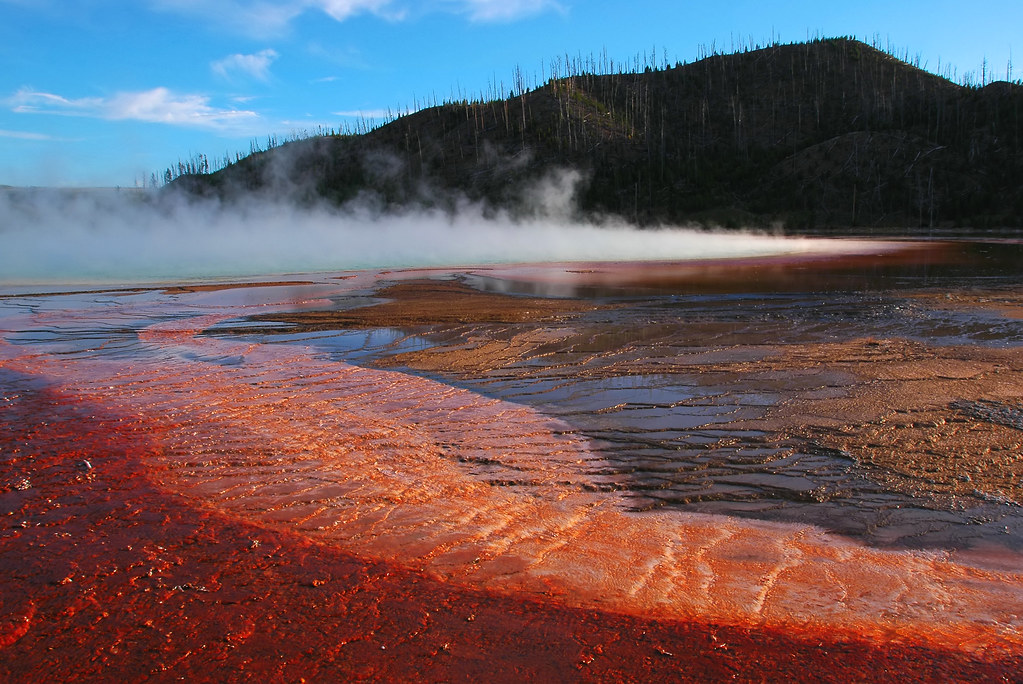
Grand Prismatic Intricacy


A view of the largest hot spring in the United States: Grand Prismatic Spring.


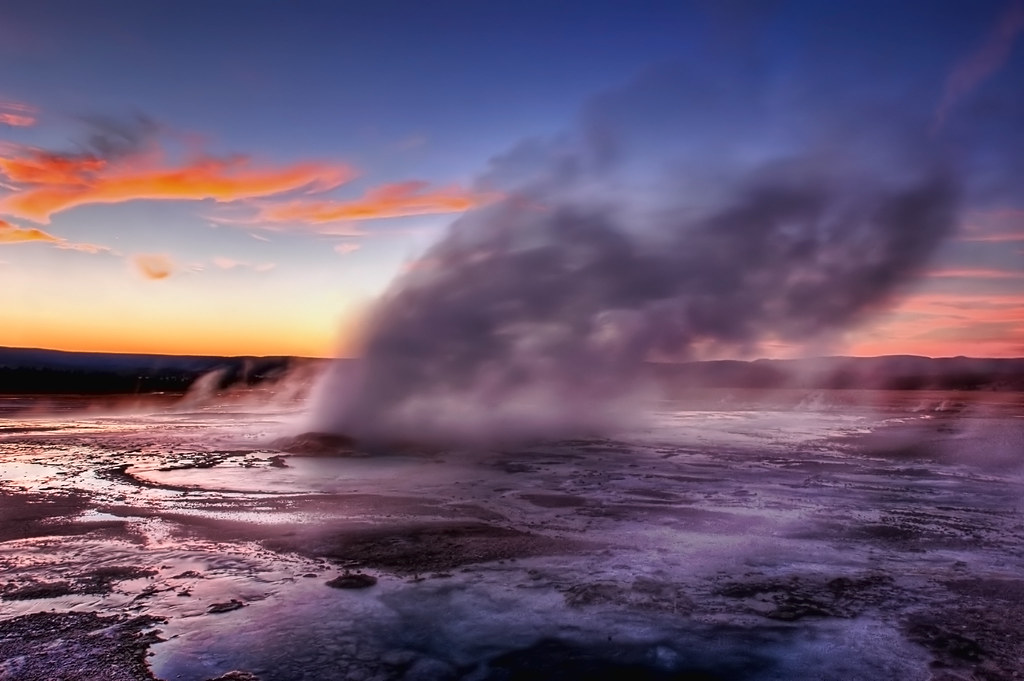
Clepsydra Geyser Permutations

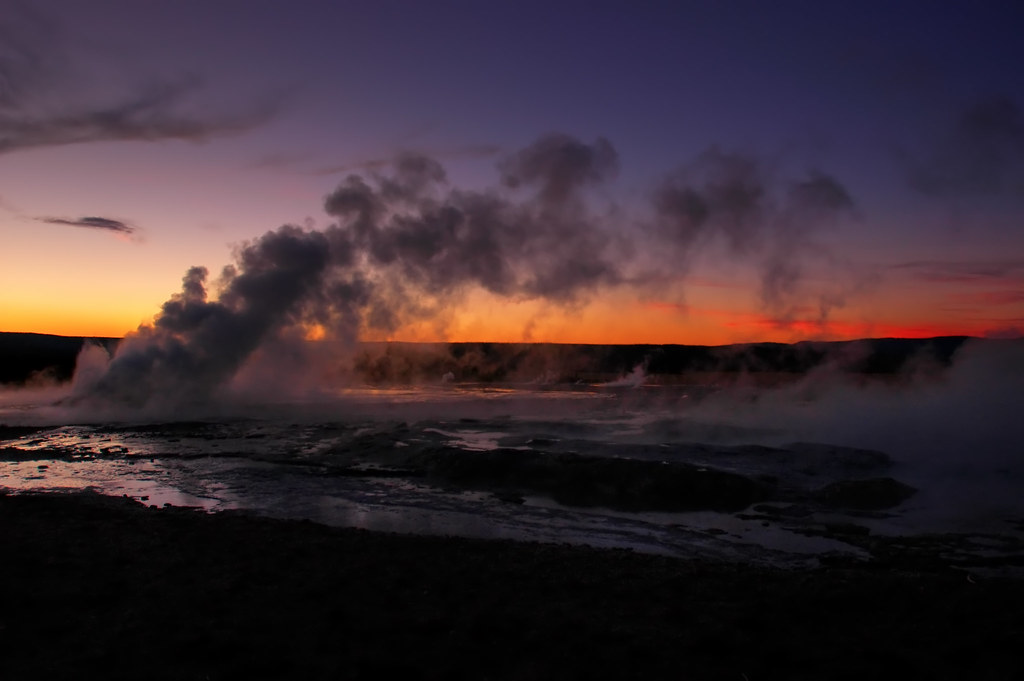
This sunset image is a composite of multiple long-time exposures of an erupting geyser at Yellowstone National Park.

Friday, April 20, 2007

Wednesday, April 18, 2007

Friday, April 13, 2007

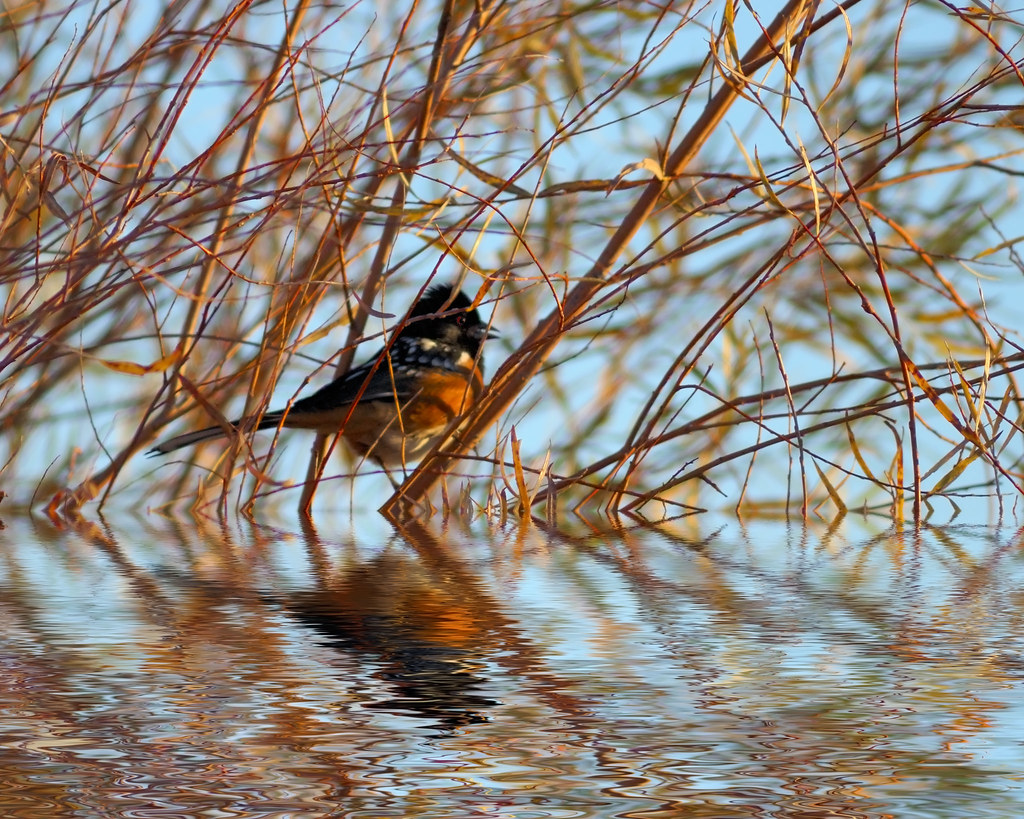
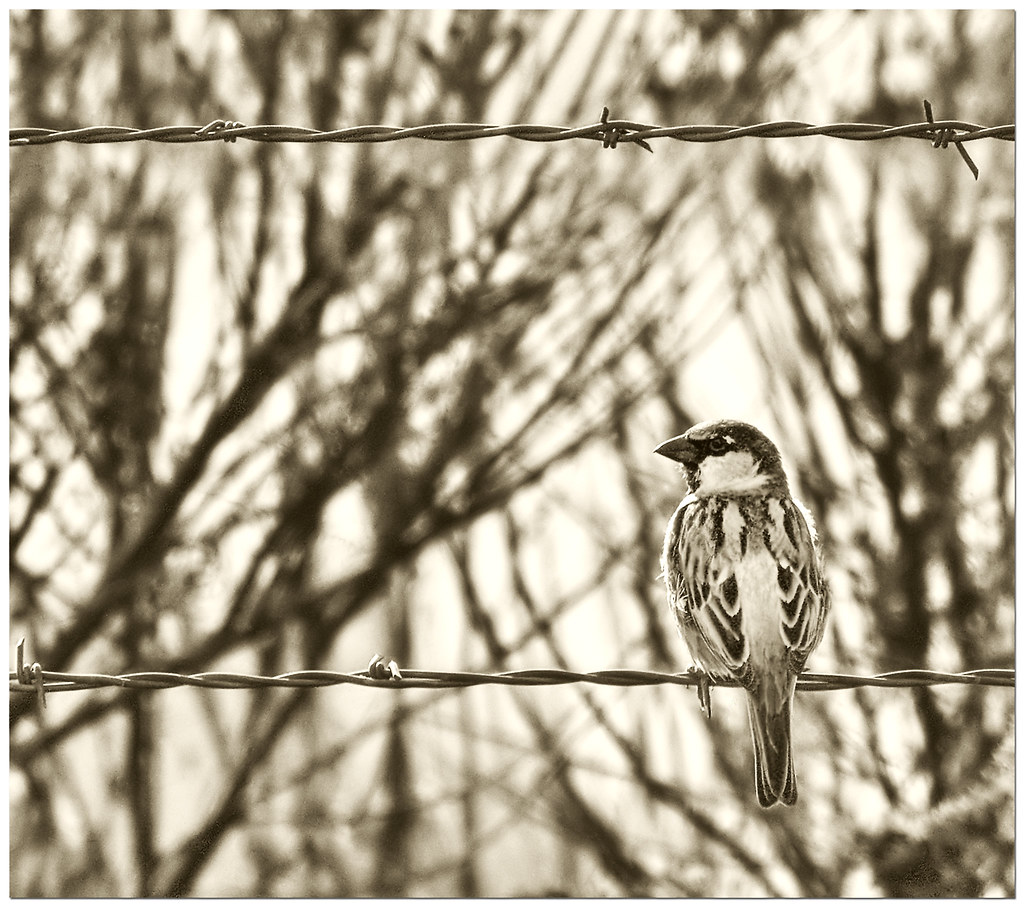
A Pair of Cuties

Spotted Towhee (water added)


House Sparrow


Thursday, April 05, 2007

Illustrative Renderings

Lately I've been experimenting with a hybrid post-processing approach that creates images that are part photograph and part illustration, almost as if one of those old architectural renderings. I find a number of different tools can really help implement the feel I am going for, such as the faked water reflection I used in my previous golden pond post. Here's one that is more on the side of a photograph to preserve the natural color and beauty of a Great Blue Heron-- but layered in is a combination of LucisArt and a variety of Photoshop steps to give the look of a rendering to some extent as well.

The effect really comes into its own when viewed large (click on the image for a larger view).

Great Brr Heron


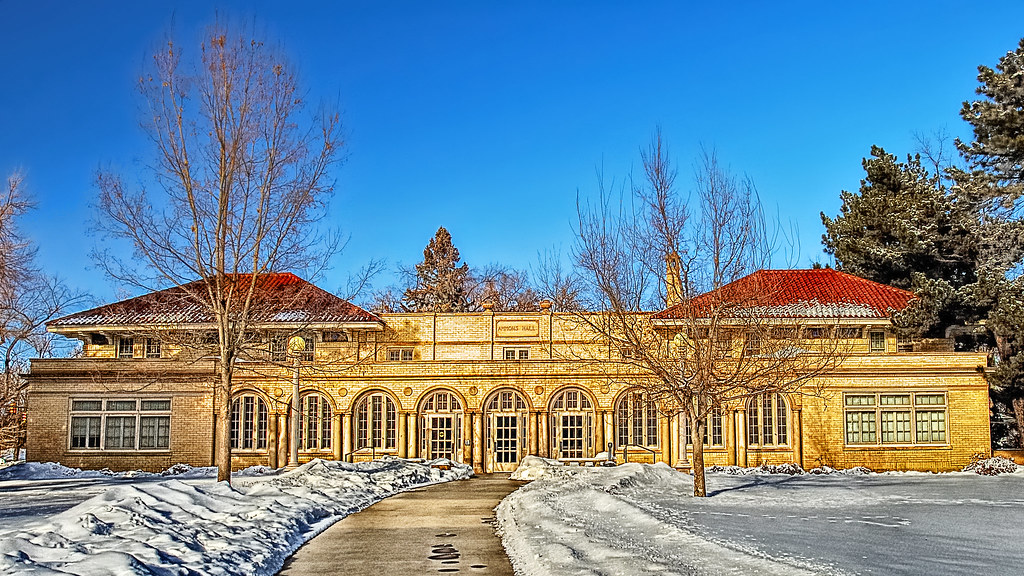
And here is one more strongly on the illustration/architectural rendering side...

Ammons Hall, Colorado State University

Monday, April 02, 2007

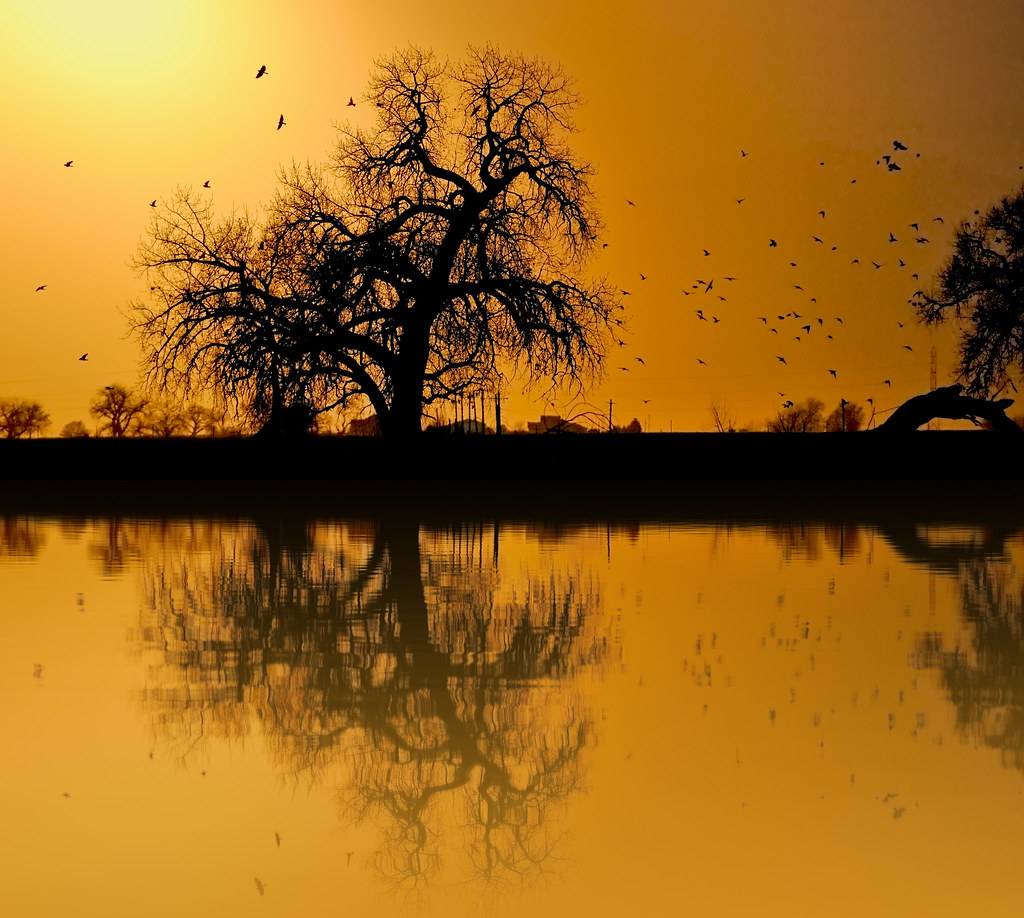
Cottonwood on (fake) Golden Pond

The water was simulated to add an element of depth to the image, hope you enjoy.

Tuesday, March 27, 2007

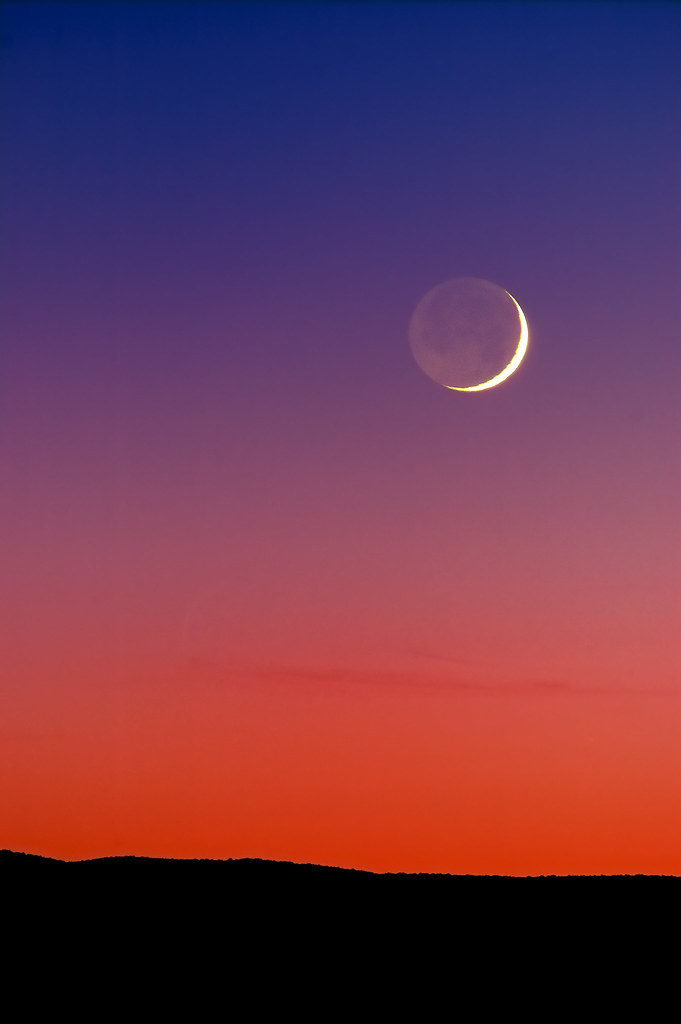
Grand Crescent Moon Sunset

A view of the setting crescent moon in the sunset taken just east of the Very Large Array (radio telescope) in Socorro County, New Mexico.

Taken with a 300 mm F4 to emphasize how large the moon looked setting. The next night was too late to get this shot as the moon's descent to the horizon was still well above the final fading sunset colors. It reminded me of how Ansel stressed when you see something really special don't wait to go back and get the photo no matter how inconvenient, there's no guarantee you will get a second chance (like his moonrise photo we all know and love).


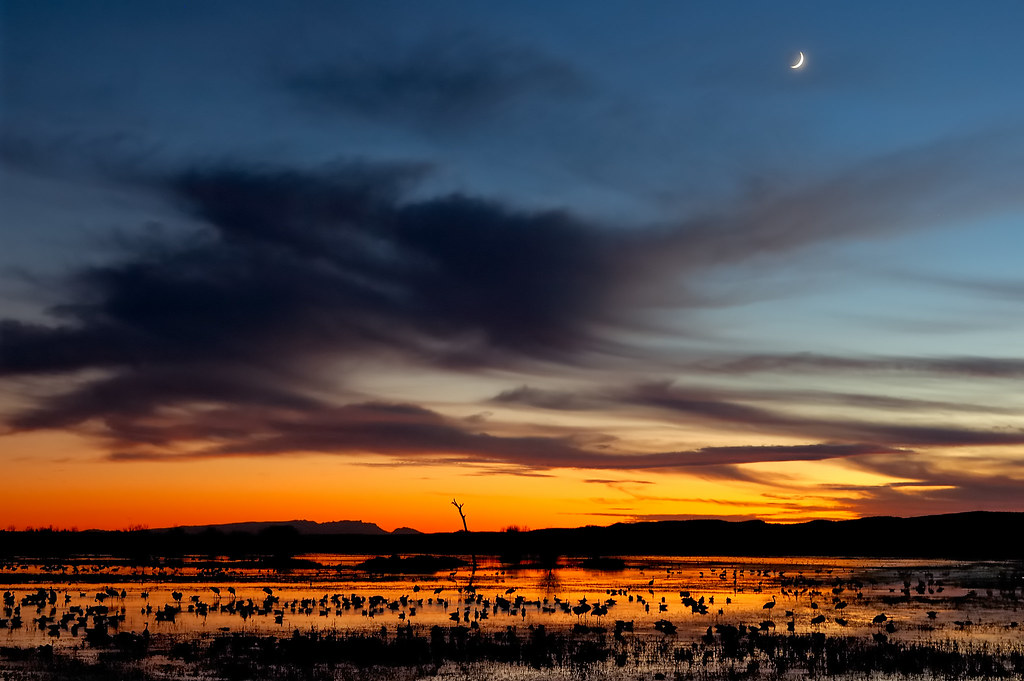
And here is an image of the crescent moon in the sunset the following evening in a wider more landscape oriented view at Bosque del Apache National Wildlife Refuge:

Saturday, March 24, 2007

More Pawnee Pontificating

The same night I took the sunset photo in my last post I had a lot of fun capturing the scene in a myriad of ways for practice at trying different photography techniques. In that spirit of trying to render one scene in a variety of ways I give you another angle at the same pond, and this one is an HDR (3 frames, not pseudo) take:

Hugged by a Sunset


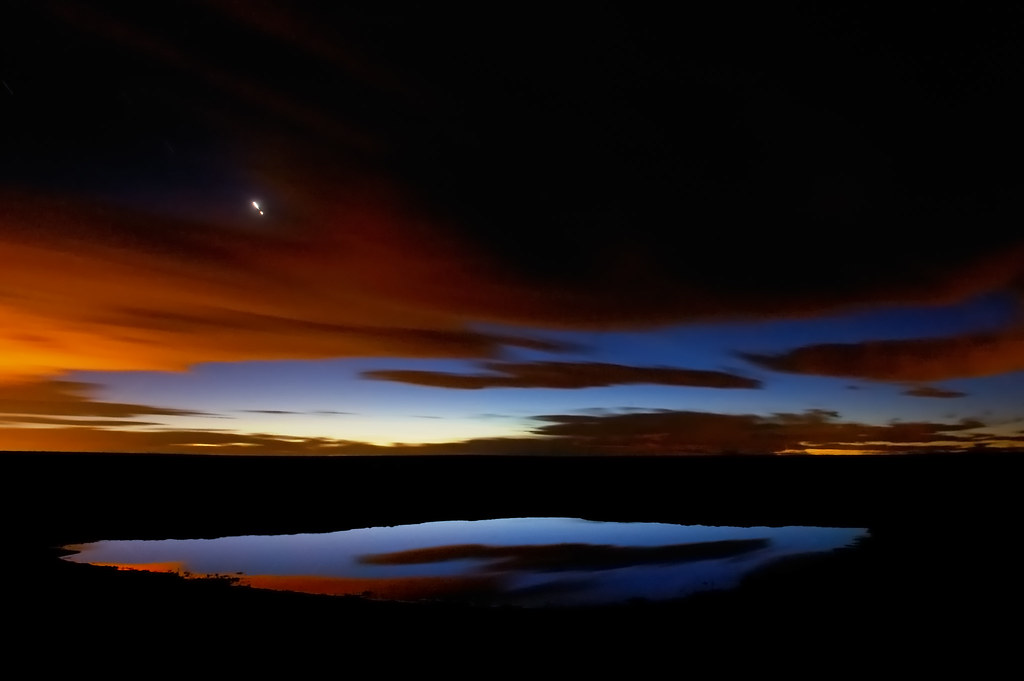
And here is a long-time exposure (about 3.5 minutes) of Venus setting in the early night sky over the pond (not an HDR, very little post-processing):


The Disappearance of Venus

Sunday, March 18, 2007

Pawnee Pond Pondering

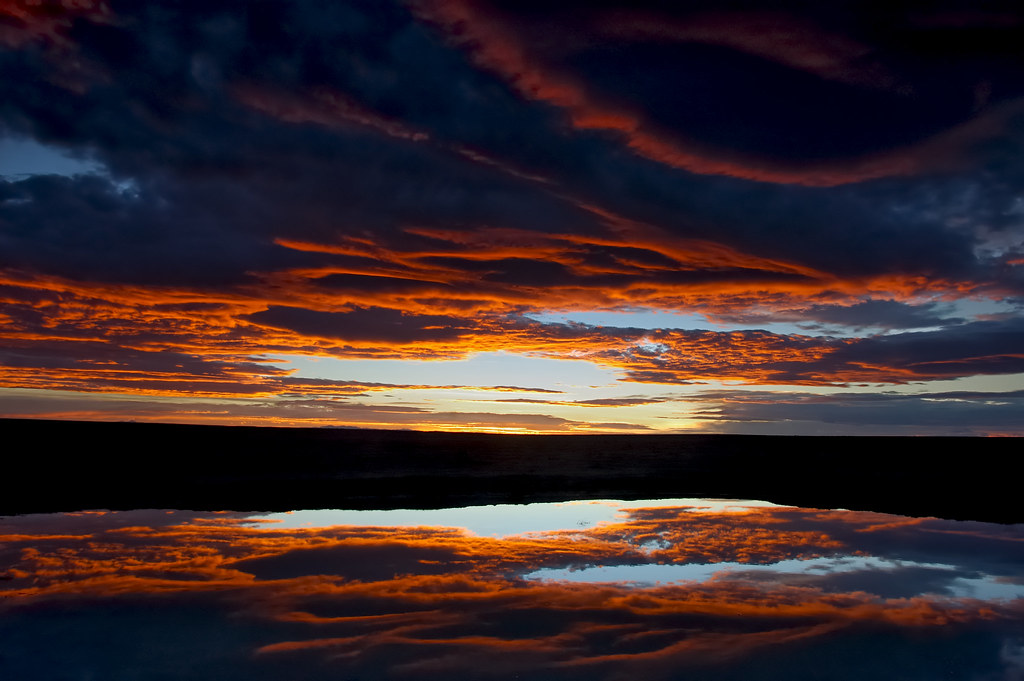
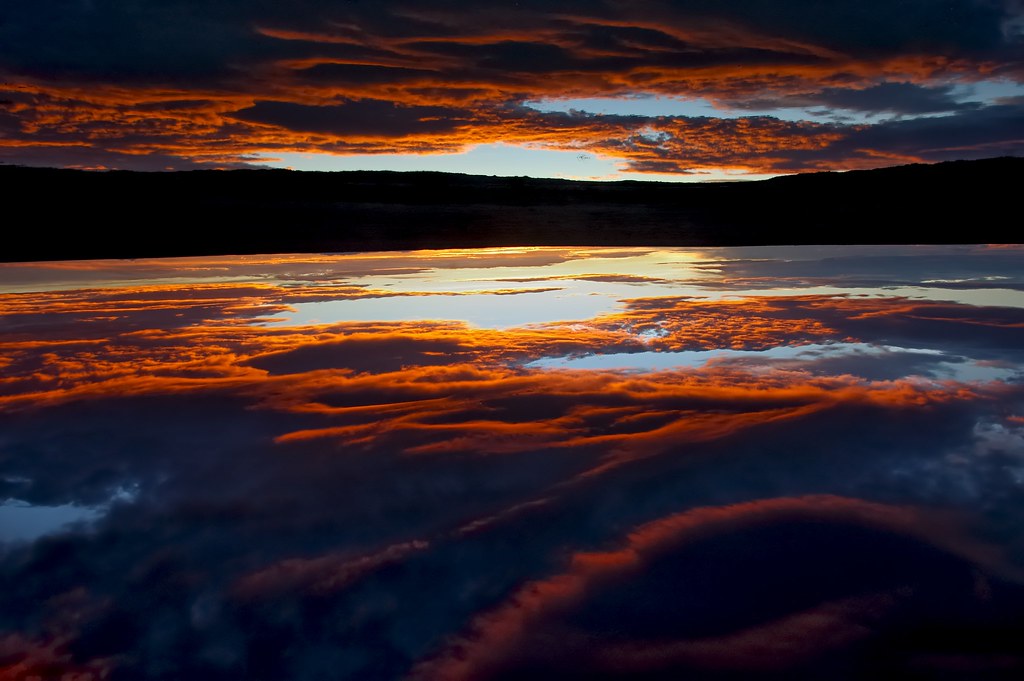
The incredible sunset we had in Colorado Friday night seen here from a small pond in Pawnee National Grassland. No filters were used save a neutral density grad, and besides denoise and a slight levels adjustment I used very little post-processing. Shown both right side up and vertically flipped/upside down, can you tell which way is up?


Saturday, March 10, 2007

Snow Goose Grace

Here are a couple of views of white morph Snow Geese (Chen caerulescens) taken at Bosque del Apache National Wildlife Refuge show off the inherent grace and beauty of this species.

One cool ID factoid to know in order to tell the very similar Snow Geese and Ross's Geese apart is the distinctive black patch on bill edges, the "grinning patch" or "smile" unique to the Snow Geese. The black lipstick-like grin patches are fairly easy to see on these captures. Also Ross's Geese have much smaller/stubbier triangular bills


Tuesday, March 06, 2007

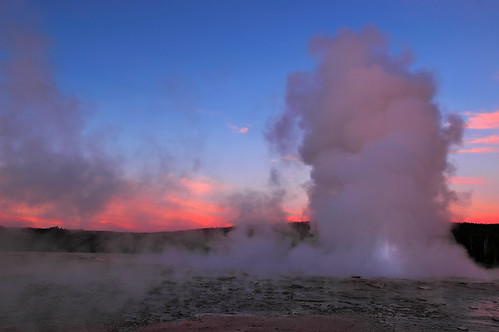
A Slightly Different Sunset Pillar

View 'A Slightly Different Sunset Pillar' Large On Black

Clepsydra Geyser serves here as a sunset pillar, helping paint this ethereal scene. What intrigues me the most is the lighter area at the base of the steam pillar, I didn't use flash and was the only one taking photos. I have no idea why it looks illuminated, spooky!

From the National Park Service:

This nearly constant performer splashes from several vents and its steam can be seen throughout the Lower Geyser Basin. Its name is Greek for water clock, and was given because the geyser used to erupt regularly every three minutes. Since the 1959 Hebgen earthquake, however, Clepsydra erupts almost without pause. Sometimes it quits during Fountain's eruption.

Saturday, March 03, 2007

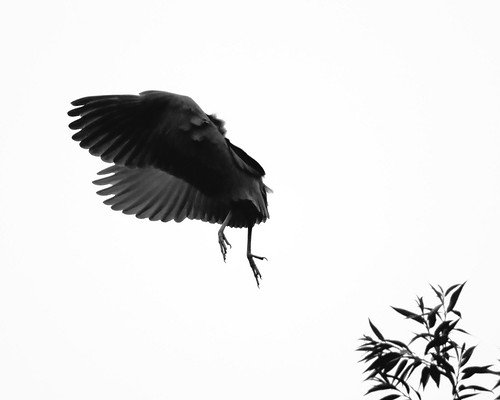
Night Heron Braking into Grace

This has a certain almost Eastern aesthetic to it that I enjoy, hope you do too.


Night Heron Braking into Grace, originally uploaded by Fort Photo.

Tuesday, February 27, 2007

Returning to Fort Ephemera

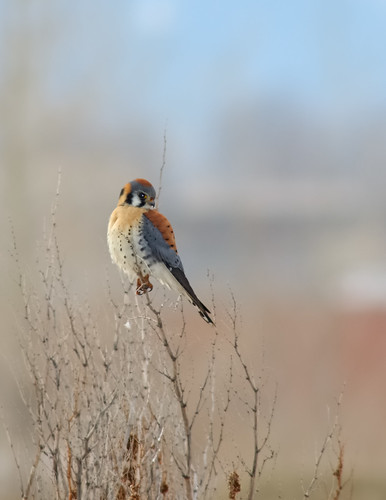
One of most beautiful birds of prey in the world: the American Kestrel.

Winter Male American Kestrel

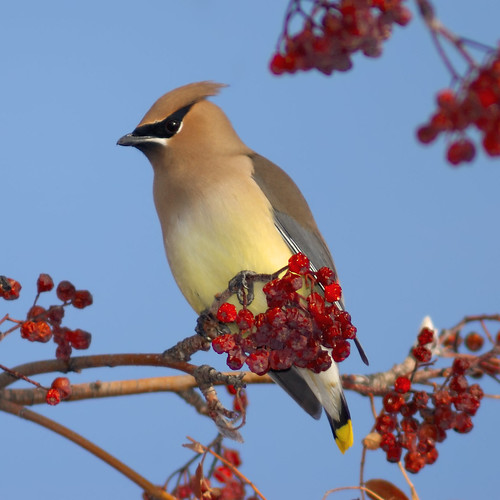
And here is another crowd pleaser: the Cedar Waxwing in a paradise of it's favorite alcoholic berries.

Cedar Waxwing Berry Paradiso

Wednesday, December 06, 2006

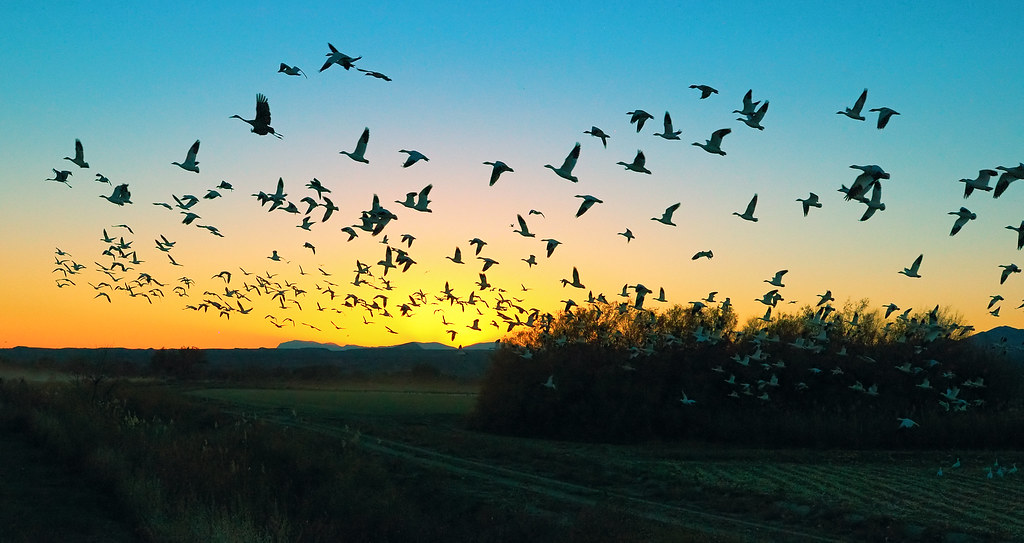
Bosque Goodness

Bird Rays

Click for Large Size

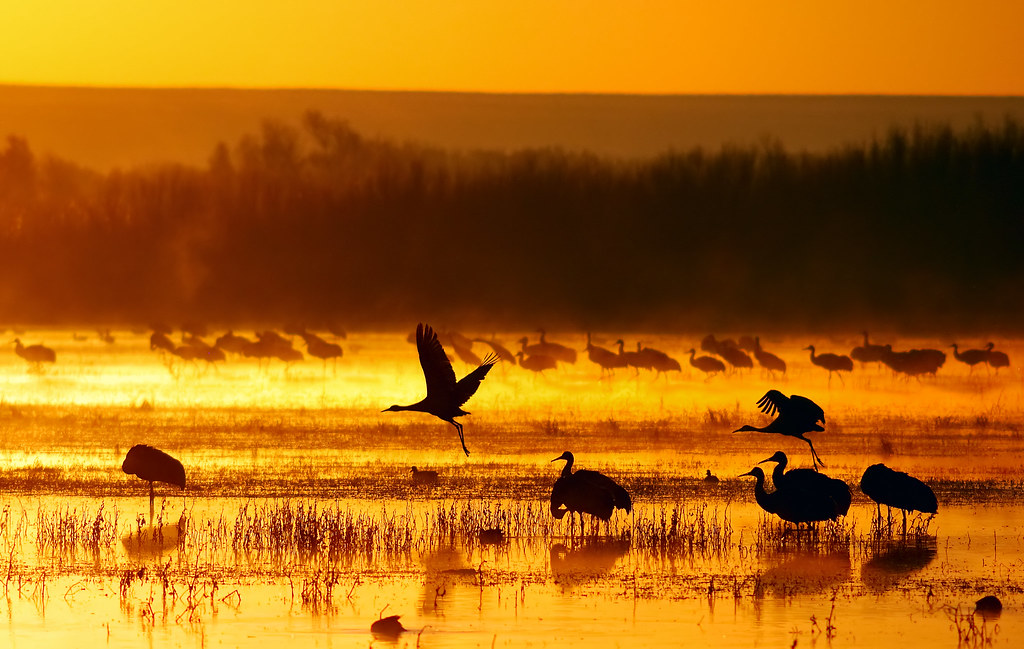
Magic Bosque Morn

Click for Large Size

Wednesday, November 15, 2006

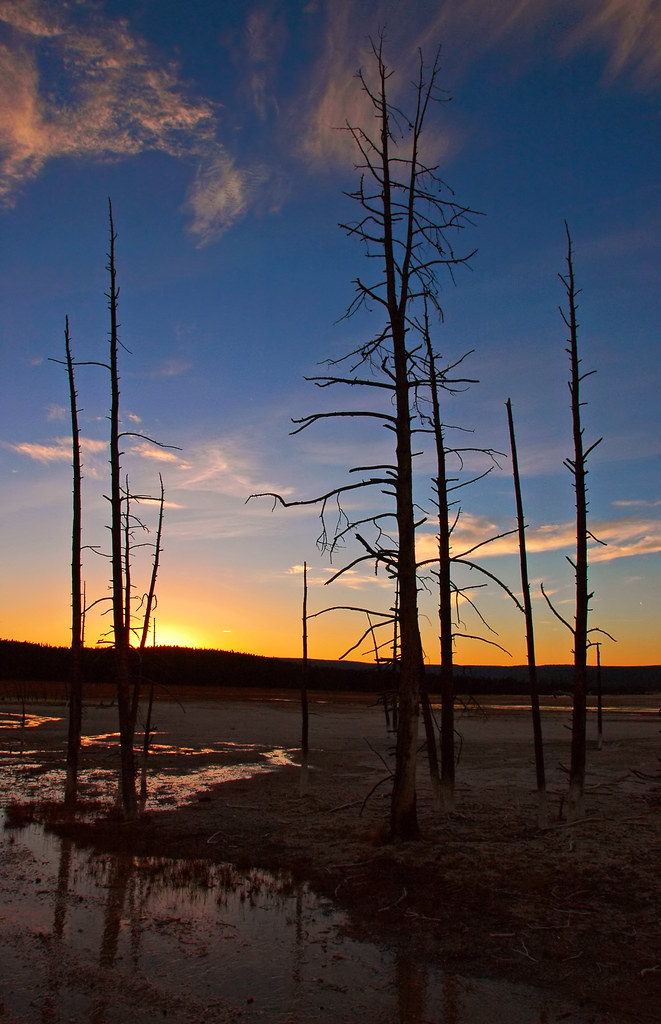
Yellowstone Beats Bellagio

Click for Large Size


Cobalt Blue Sunset Bonus

Click for Large Size

Friday, November 10, 2006

Elective Sunset

Some images of the amazing sunset we had on election night in Colorado this week. One can only hope it's a good sign, heh.

Click for Large Size


Click for Large Size

Monday, November 06, 2006

Teton Superlatives

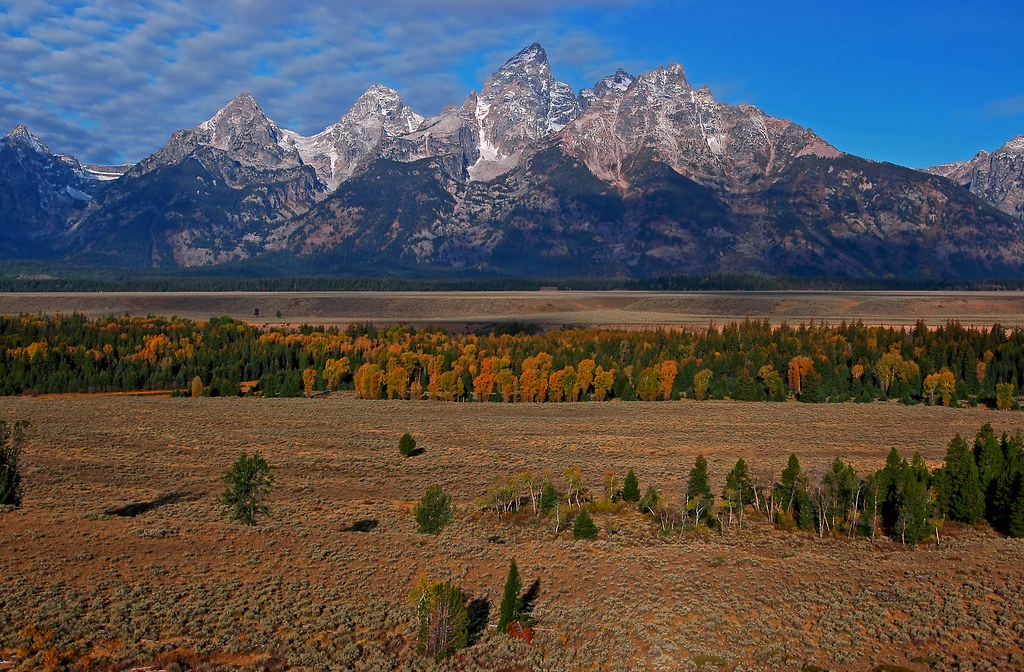
Teton Point Bliss

Click for Large Size

Moose Matinee

Click for Large Size

Sunday, October 29, 2006

Days turn to Dusk

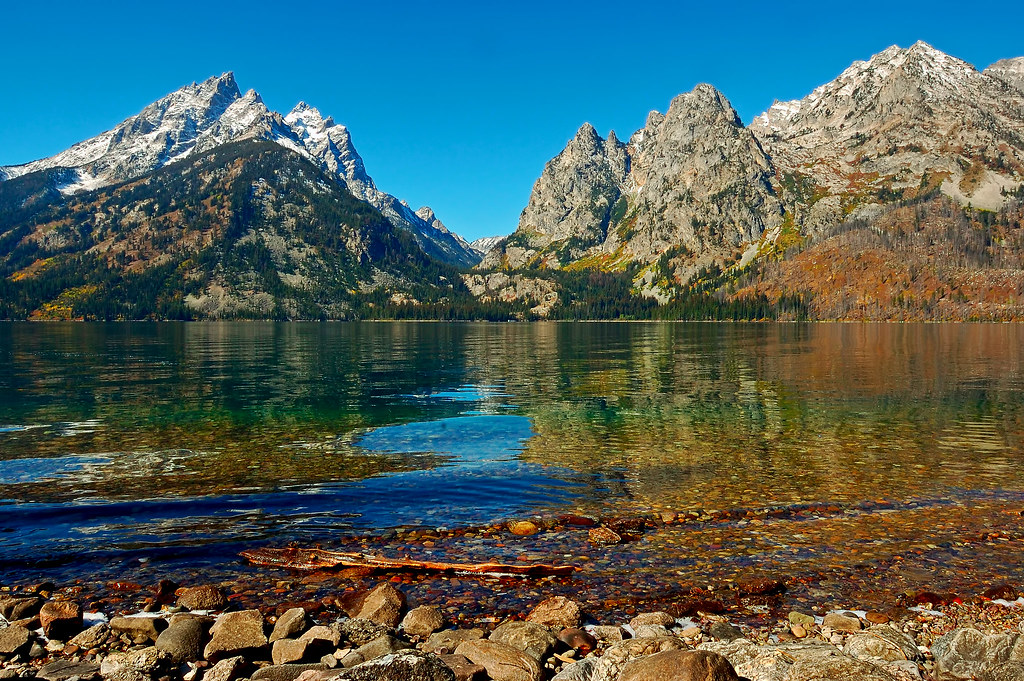
Cascade Canyon from Jenny Lake

Click for Large Size

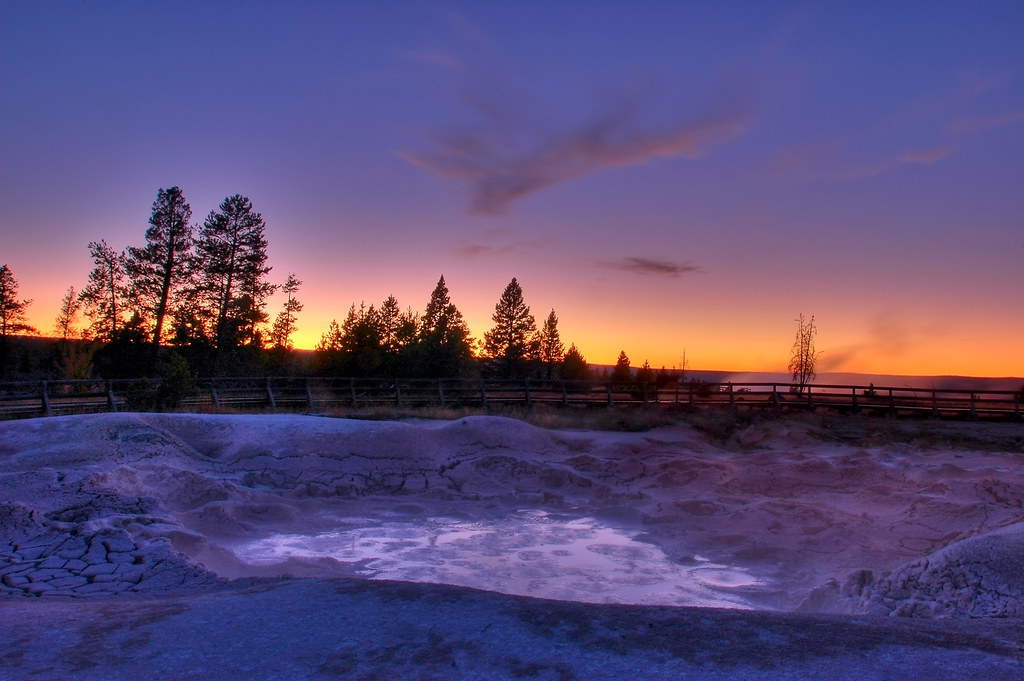
Fountain Paint Pots Sunset

Click for Large Size

Thursday, October 19, 2006

Pair of Panos

Here are a couple of panoramic images from our recent vacation to Yellowstone and the Tetons. More information on these amazing locations after the jump.

It's a must to view these large (click images), or if you dare go for the giant-sized originals hot-linked under each photo (3-4 mbs/ea-dial-up warning).

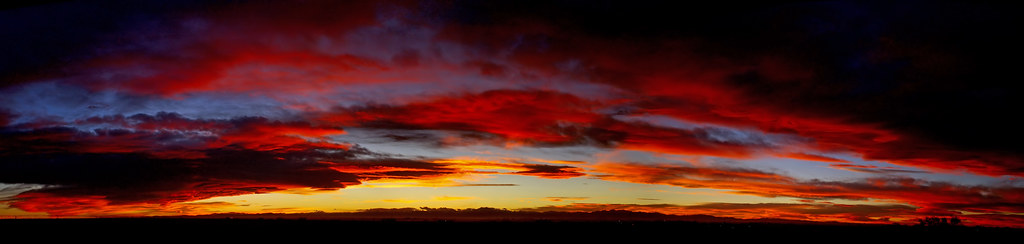
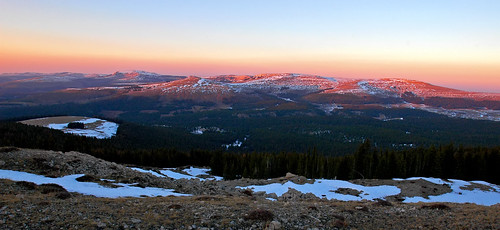
Sundown at the Medicine Wheel
Click for Large Size
Original Size


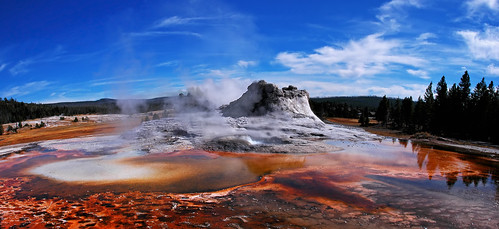
Castle Geyser Surreal

Click for Large Size
Original Size


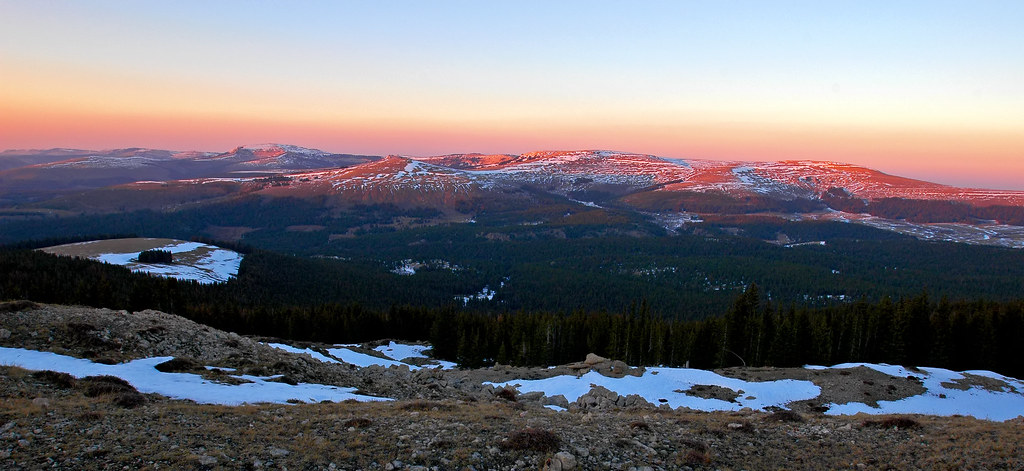
The Top Photograph is from the Bighorn Mountains in Wyoming, a place I hope to explore quite a bit more someday in the near future. We were attempting to visit the Medicine Wheel and were stopped on the account of deep drifting snow and light.

The Medicine Wheel is an important place to many peoples. From the Stanford Solar Center:

On top of the Bighorn Range in Wyoming, a desolate 9,642 feet high and only reachable during the warm summer months, lies an ancient Native American construction -- an 80' diameter wheel-like pattern made of stones. At the center of the circle is a doughnut-shaped pile of stones, a cairn, connected to the rim by 28 spoke-like lines of stones. Six more stone cairns are arranged around the circle, most large enough to hold a sitting human. The central cairn is about 12 feet in diameter and 2' high.

If you stand or sit at one cairn looking towards another, you will be pointed to certain places on the distant horizon. These points indicate where the Sun rises or sets on summer solstice and where certain important stars rise heliacally, that is, first rise at dawn after being behind the Sun. The dawn stars helped foretell when the Sun ceremonial days would be coming. The area is free of snow only for 2 months -- around the summer solstice.

The wheel has 28 spokes, the same number used in the roofs of ceremonial buildings such as the Lakota Sundance lodge. These always includes an entrance to the east, facing the rising Sun, and include 28 rafters for the 28 days in the lunar cycle. The number 28 is sacred to some of the Indian tribes because of its significance as the lunar month. In Bighorn's case, could the special number 28 also refer to the helicial or dawn rising of Rigel 28 days past the Solstice, and Sirius another 28 past that?

Still interested in learning more? Keep reading this article here.


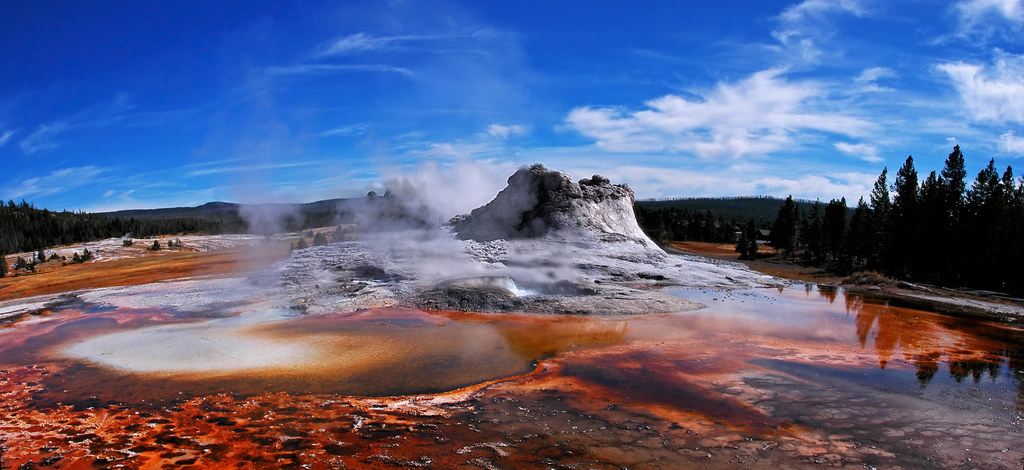
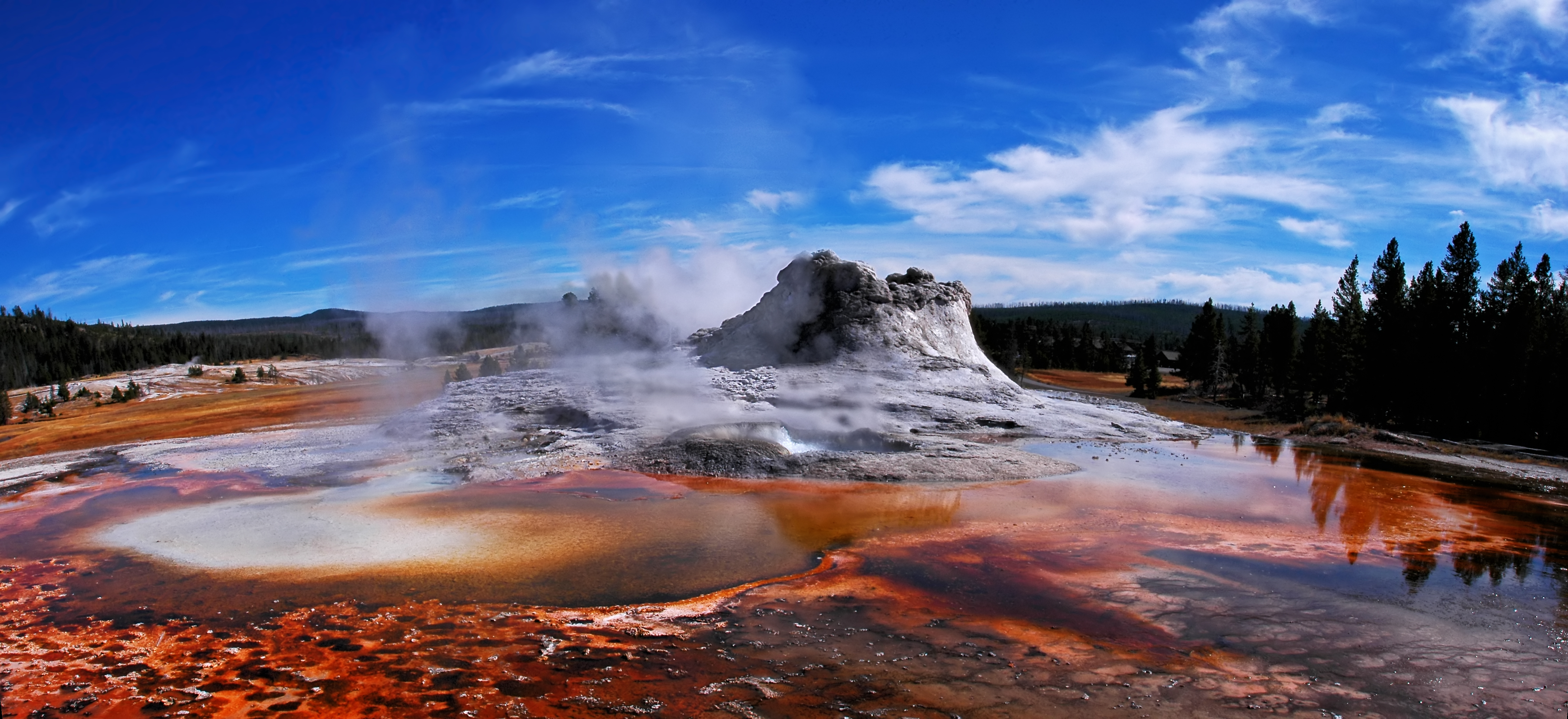
The Bottom Photograph features Castle Geyser, which has some of the most impressive sinter deposits in the world. For more info on this impressive formation from Wikipedia:

The geyser has a 10-12 hour eruption cycle. The geyser erupts hot water for about 20 minutes to a height of 90 feet (27 meters) before changing to a noisy steam phase for 30-40 minutes.

It is also noted for the particularly large sinter deposits that form its cone. These have been likened in appearance to a castle. This appearance led Lieutenant G.C. Doane to name it Castle Geyser in 1870. The geyser is located in the Upper Geyser Basin a short walk from Old Faithful Geyser.

The sinter cone for Castle Geyser was dated to around 1022 using carbon-14 dating. This date is much younger than the presumed age of 5000 to 15000 years. A 3-D laser scan done of the cone shows evidence that this geyser has gone through four to five distinct stages to reach its current configuration.
Saturday, October 14, 2006

Pair of Sunsets

Steamset

Click for Large Size

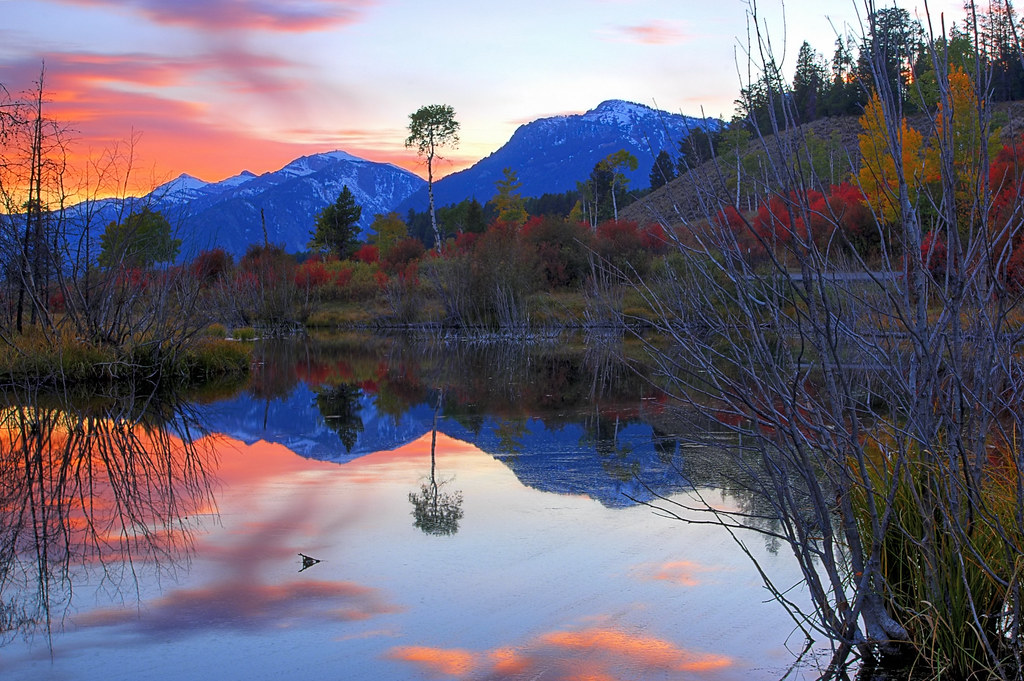
Fall vs. Sunset

Click for Large Size

On top from Yellowstone and below an HDR from Grand Teton National Park.