These photos are from a fairly recent trip we took with my wife's family out to Sonoma County, California for a wedding. One night we managed to sneak away to catch this beautiful sunset.
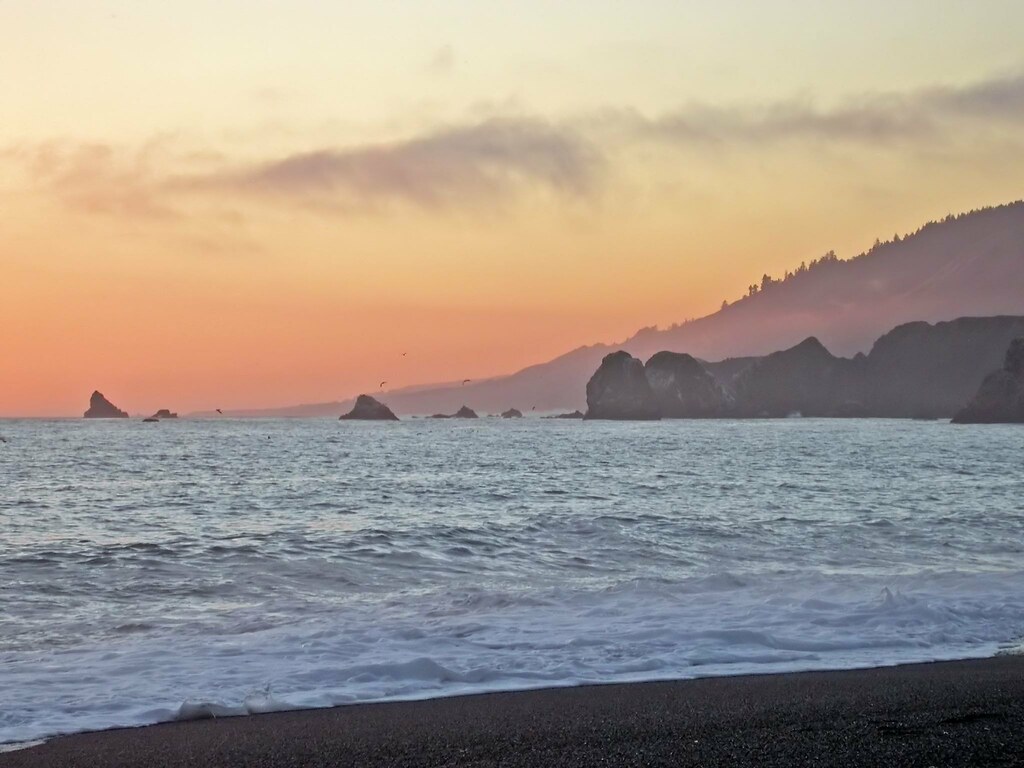

These photos are from a fairly recent trip we took with my wife's family out to Sonoma County, California for a wedding. One night we managed to sneak away to catch this beautiful sunset.
Thanks to a release on Long Island, N.Y. in 1940 the House Finch is nearly everywhere in the United States. This beautiful bird was once constricted to a much more narrow distribution in the Southwest and Mexico prior to the release.
Tonight after work we had a pair out courting in our backyard, and then the female set about to working on a nest. Finally a chance to take some new pics from my new Nikon D70!
Here you can see the female with a stick in her beak (click the photo for a larger version to get a better view of the tiny stick):
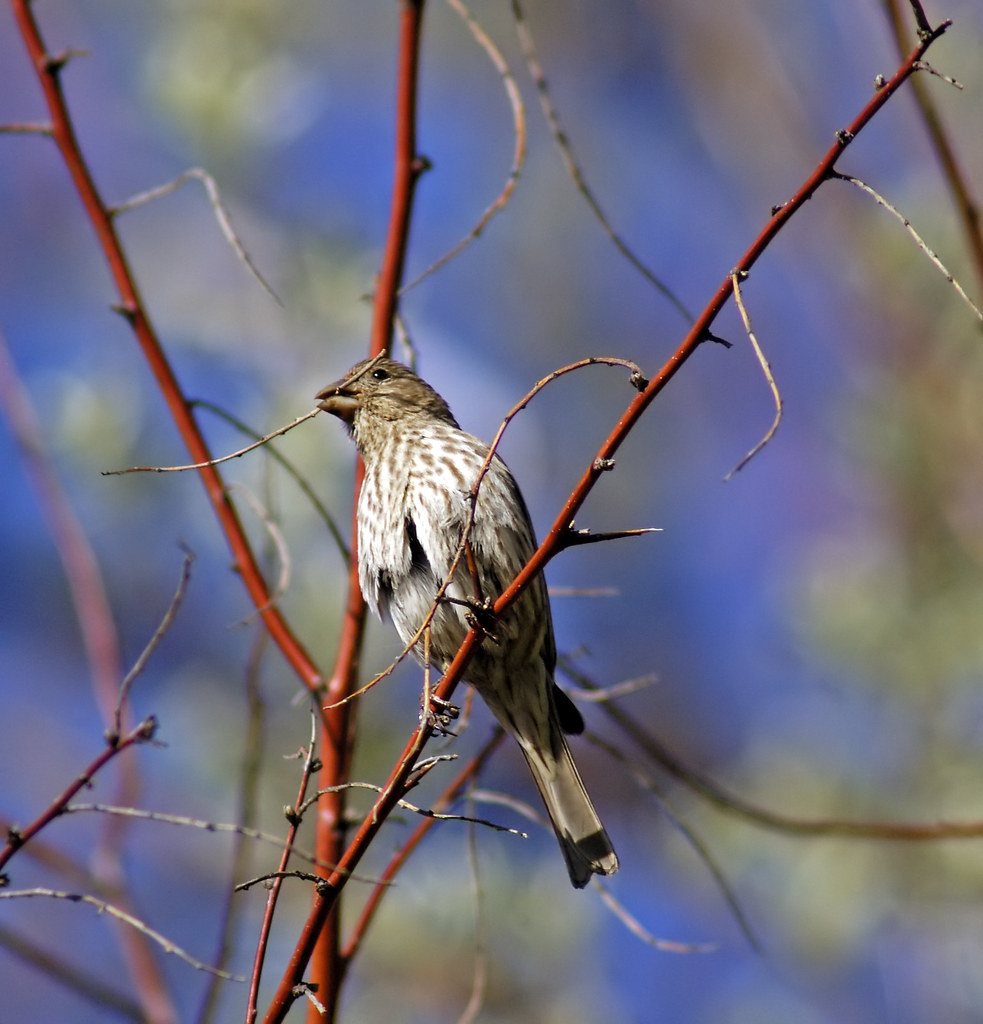
The males get their distinctive red color from pigments in their food during molt. Females tend to prefer the most red males around for mating, perhaps it's an indicator of their ability to find food? Here's the male from tonight:

When most people think of Moab, Utah they think of Canyonlands and Arches National Parks with red rock country mountain bikers love to dream about. Mentioning how beautiful the La Sal Mountains are typically yields a blank look.
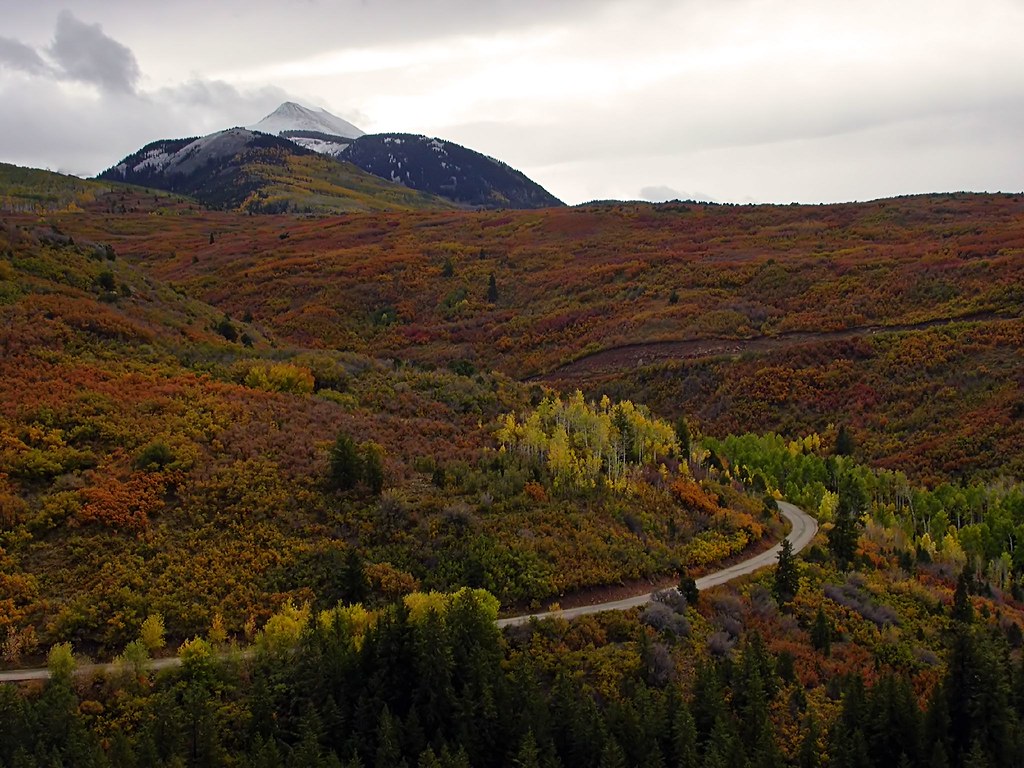
Perhaps this series of photographs might make you consider taking a closer look at these mountains rising just to the east of Moab. The La Sals formed roughly 24 million years ago and include 6 peaks that rise above 12,000 feet, the tallest being Mount Peale at 12,721 feet. The chain is relatively small at only 15 miles north to south and 6 miles across. Native American occupation started as early as 12,000 B.C. Ecology of the area includes massive amounts of quaking aspen and smaller amounts of fir forests, interspersed with alpine meadows. The entire area is a fall photography wonderland.
For a trip to explore the La Sal's on your way home that will ultimately get you back to I-70, take the La Sal Mountain Loop Road that begins on US 191 six miles south of Moab. It winds north over the La Sal mountains through Castle Valley to end at U-128. Here's a view of the of the La Sal Mountains at sunset from Arches National Park:


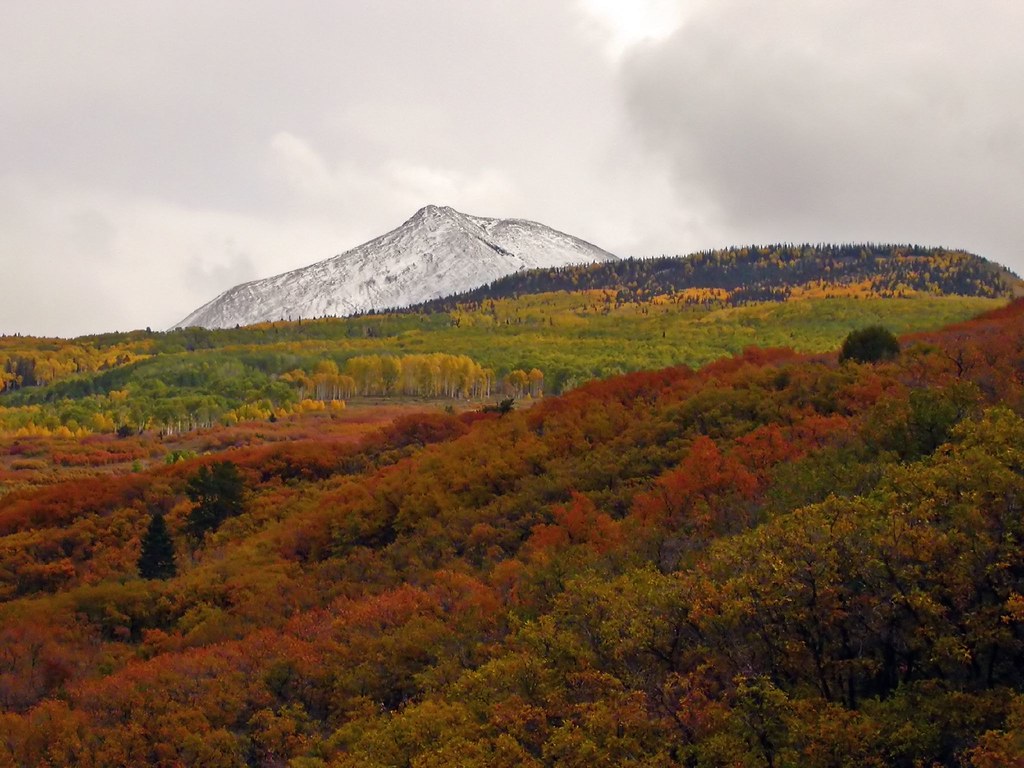
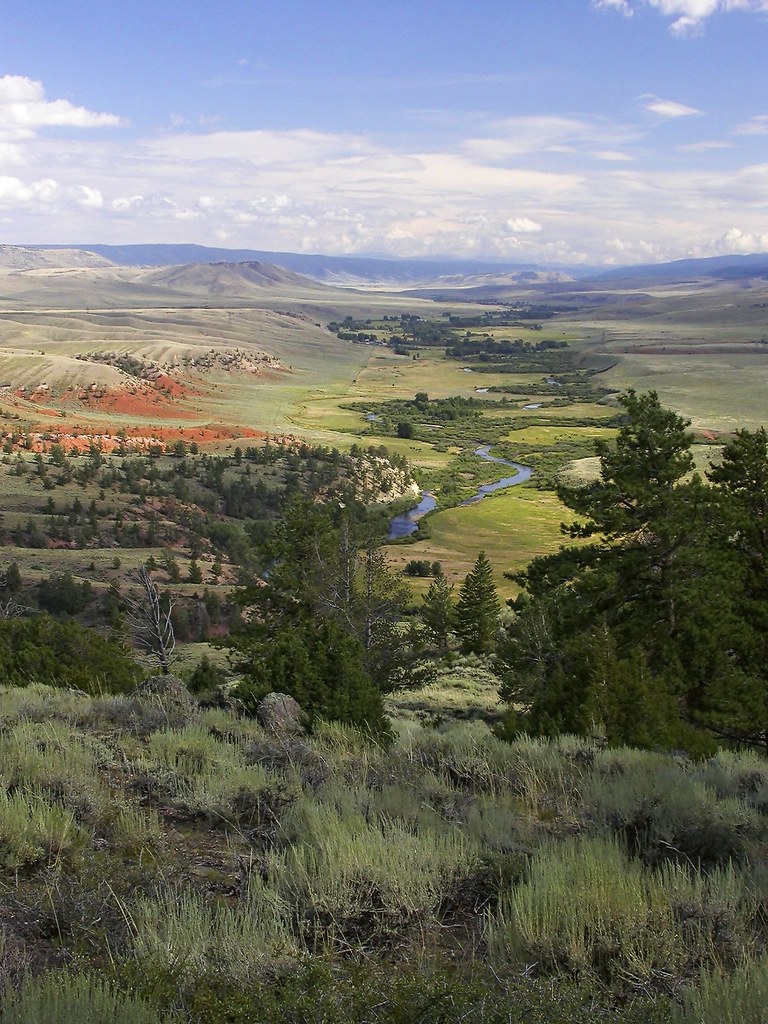
The Laramie River is one of my favorite places to visit in Northern Colorado and Southern Wyoming. There are many different kinds of terrain and habitats as you move down the valley to the town of Laramie from high in the Colorado Rockies. Here's a photograph taken from a favorite vantage point to see a large chunk of the valley in this section:
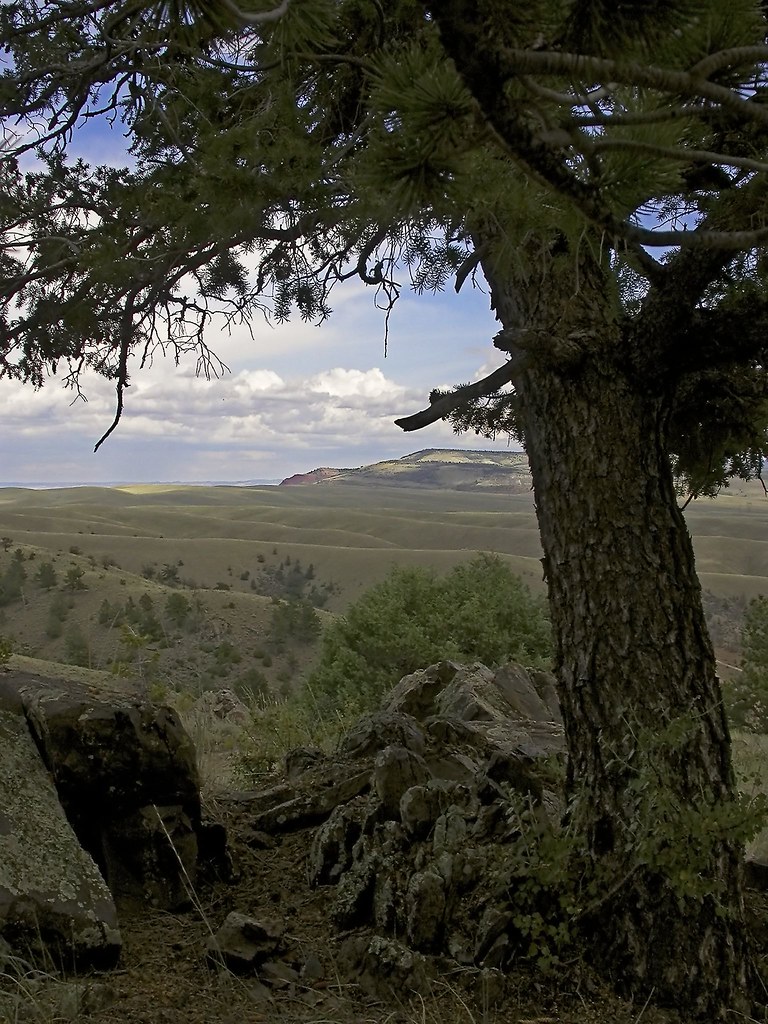
One neat thing about this overlook is the view is fantastic even looking away from the river:
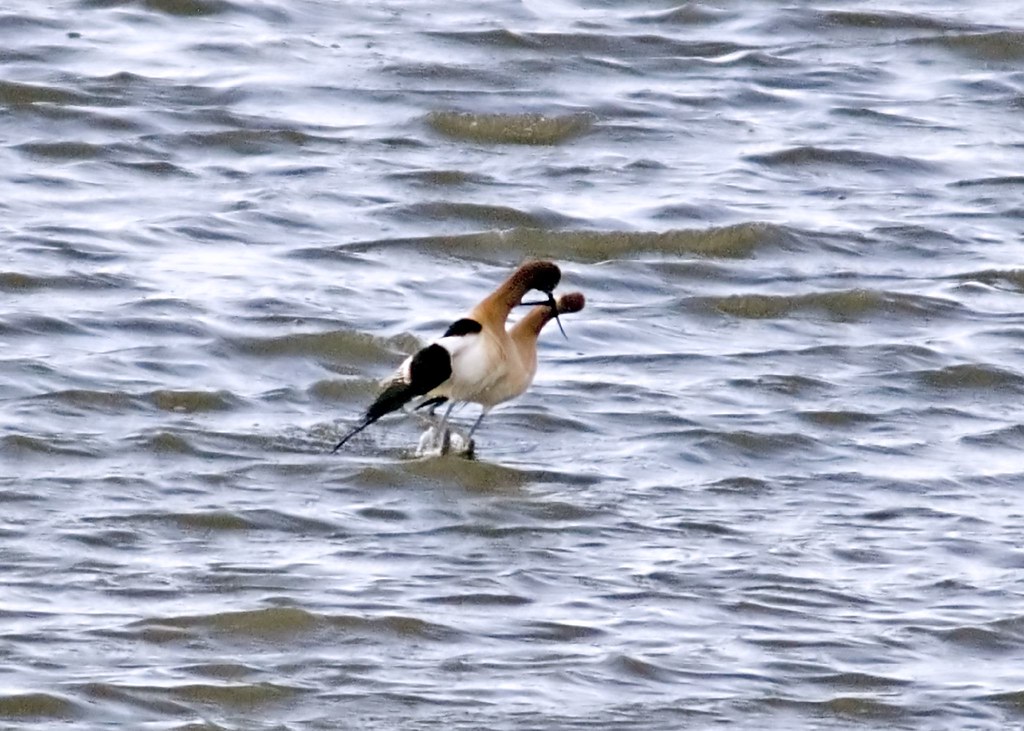
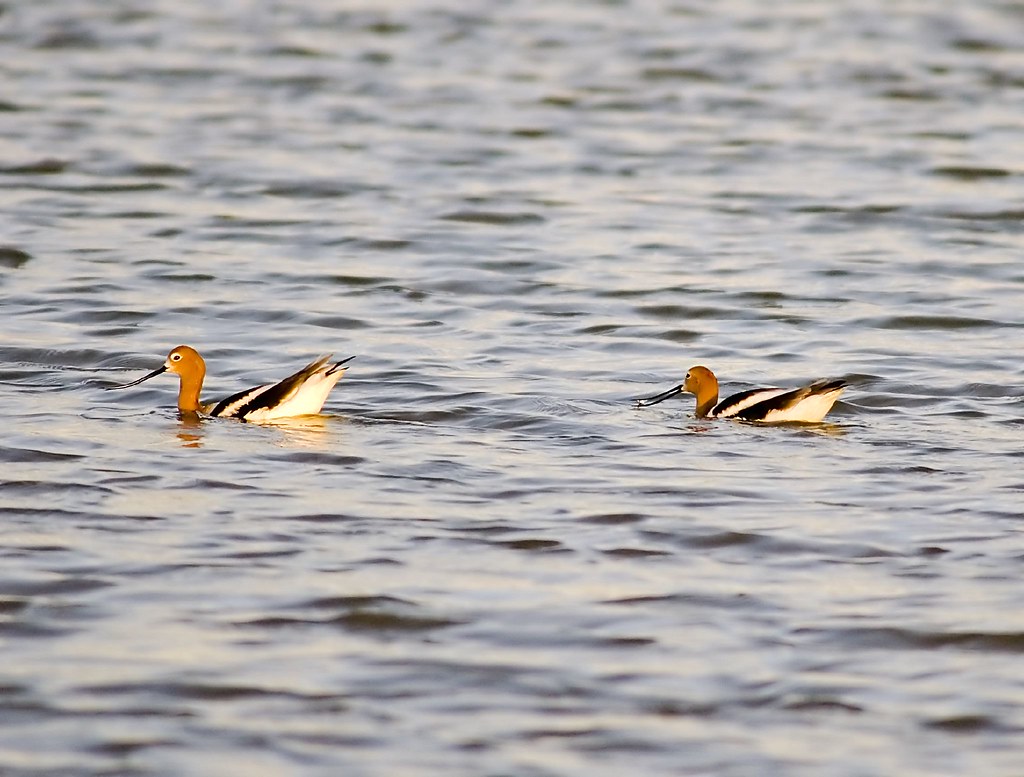
I got to enjoy a short birding trip today on the way driving home from my wife's folks. We stopped by Horseshoe Lake in Loveland and found a decent variety of shorebirds. Among them was a pair of American Avocets that were wading the shallows in full breeding plumage. A few moments later they were engaged in a remarkable courtship display including rubbing up against each other and "running on water." I managed to get a couple of photos of the display from quite a distance, too bad I wasn't closer, but here they are (the female has shorter, more up-curved bill):
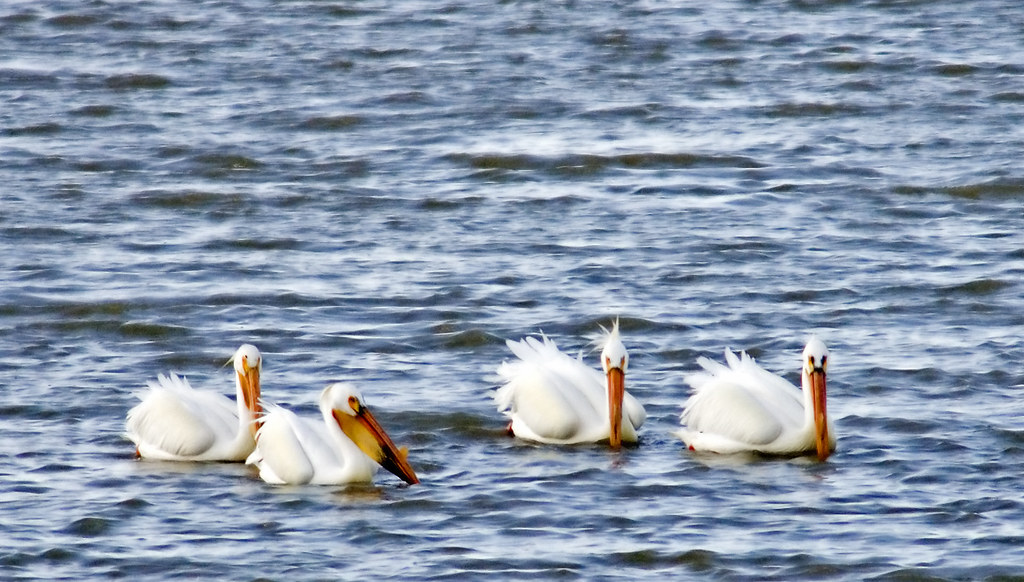
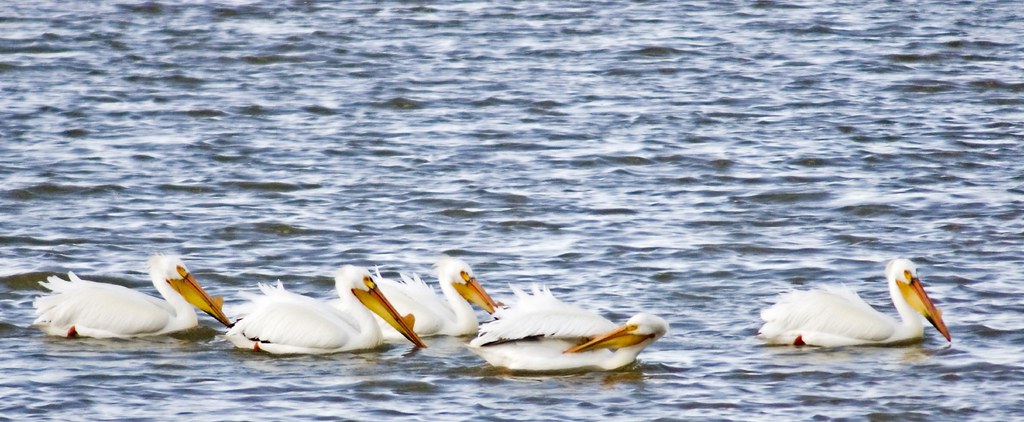
Also on the lake were the always goofy and punkish looking American White Pelicans doing some cooperative fishing:
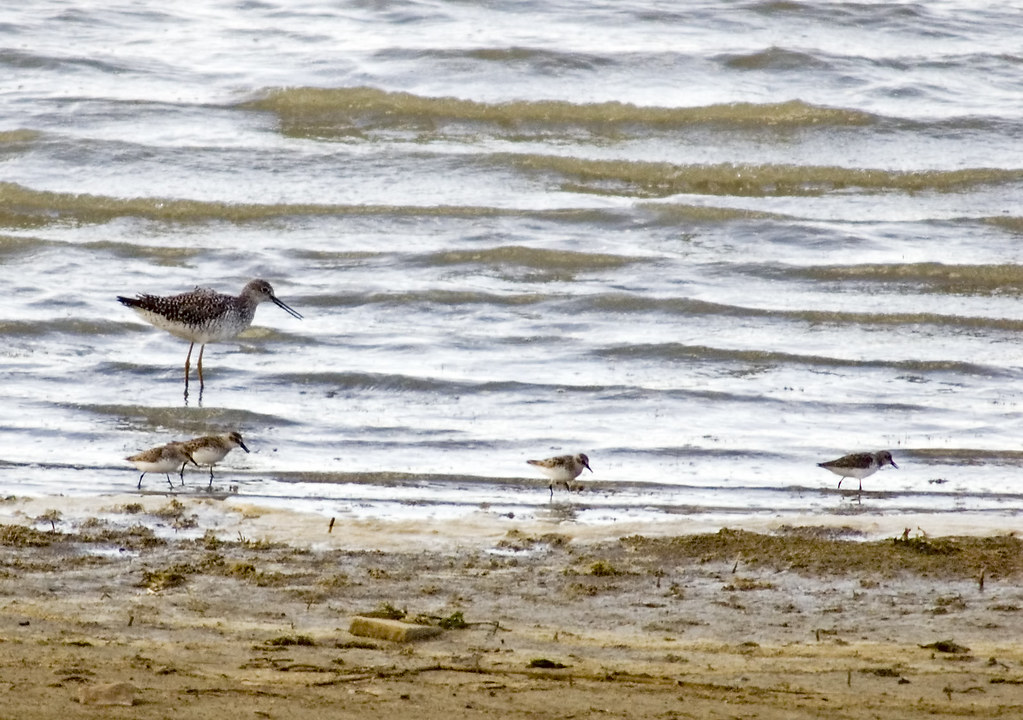
Finally as the light was getting even worse we came across this nice grouping featuring a Greater Yellowlegs:



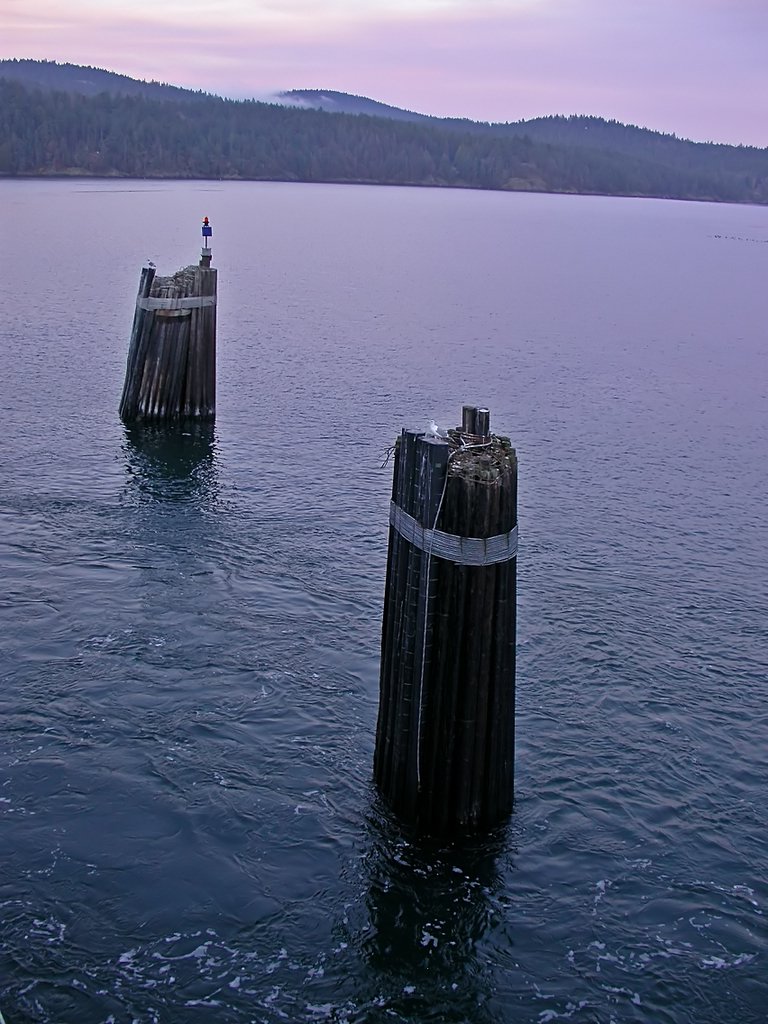
After rambling through the numerous small islands of the San Juans we make a stop at Shaw Island to drop off a few passengers. Here are the guide posts for the ferry as it comes in:
And here's the quaint Shaw ferry landing:


Here is the sunset as I arrived into Orcas Landing. I could not have asked for a more perfect day to ride the ferry.

Later on the same trip I got a chance to go to Moran State Park on Orcas. It's a magical place with gorgeous rain forest. Another really neat feature is Mount Constitution. On top there is a lookout tower with a view of the Puget Sound that might just be unrivaled. And yet again I got lucky and received another gift of a spectacular sunset. I was actually completely in the fog until I gained sufficient altitude heading towards the summit. Here are a couple of my photos from the sunset:


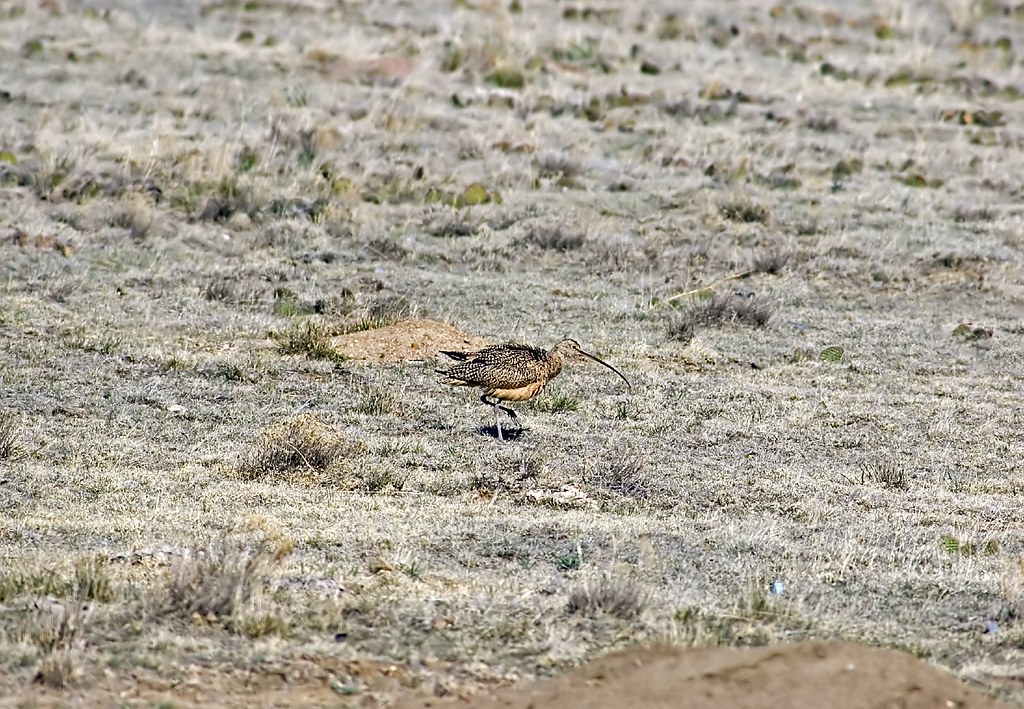
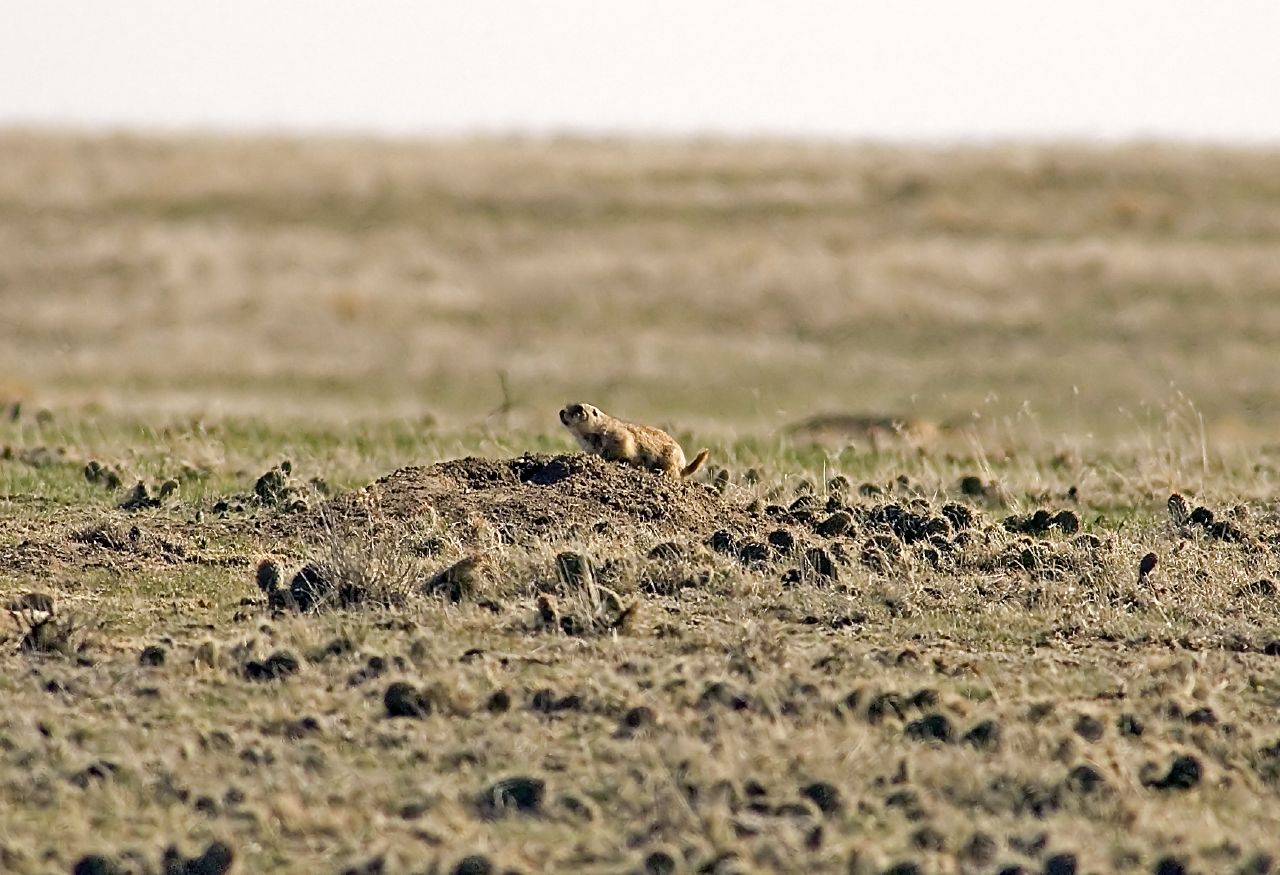
Of course being in the Central Shortgrass Prairie means seeing a few of these ecosystem engineers, black-tailed prairie dog:
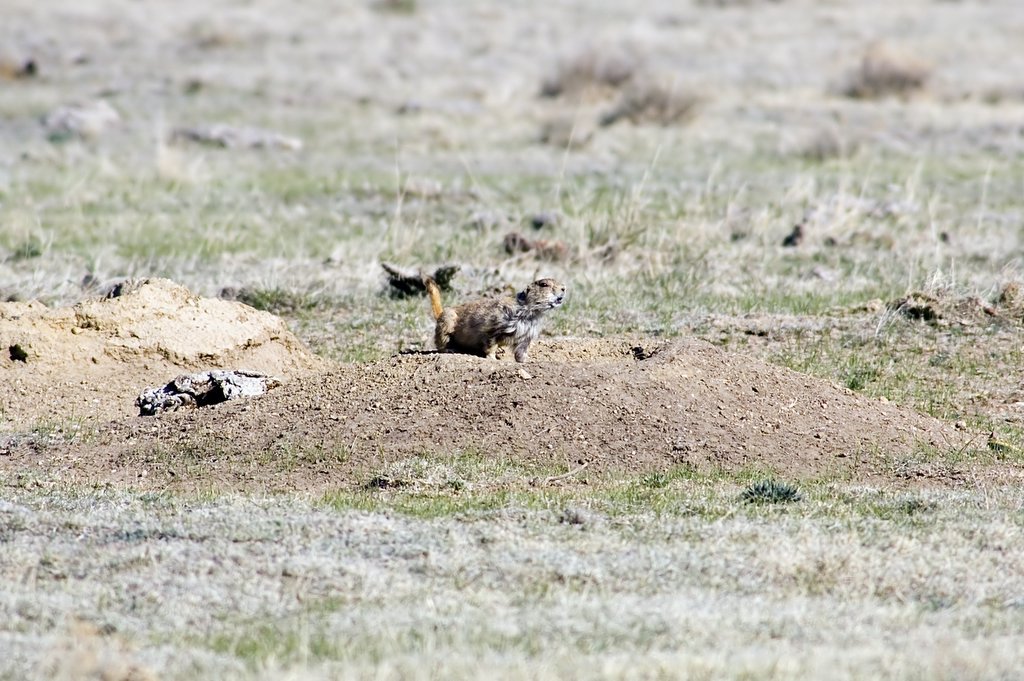
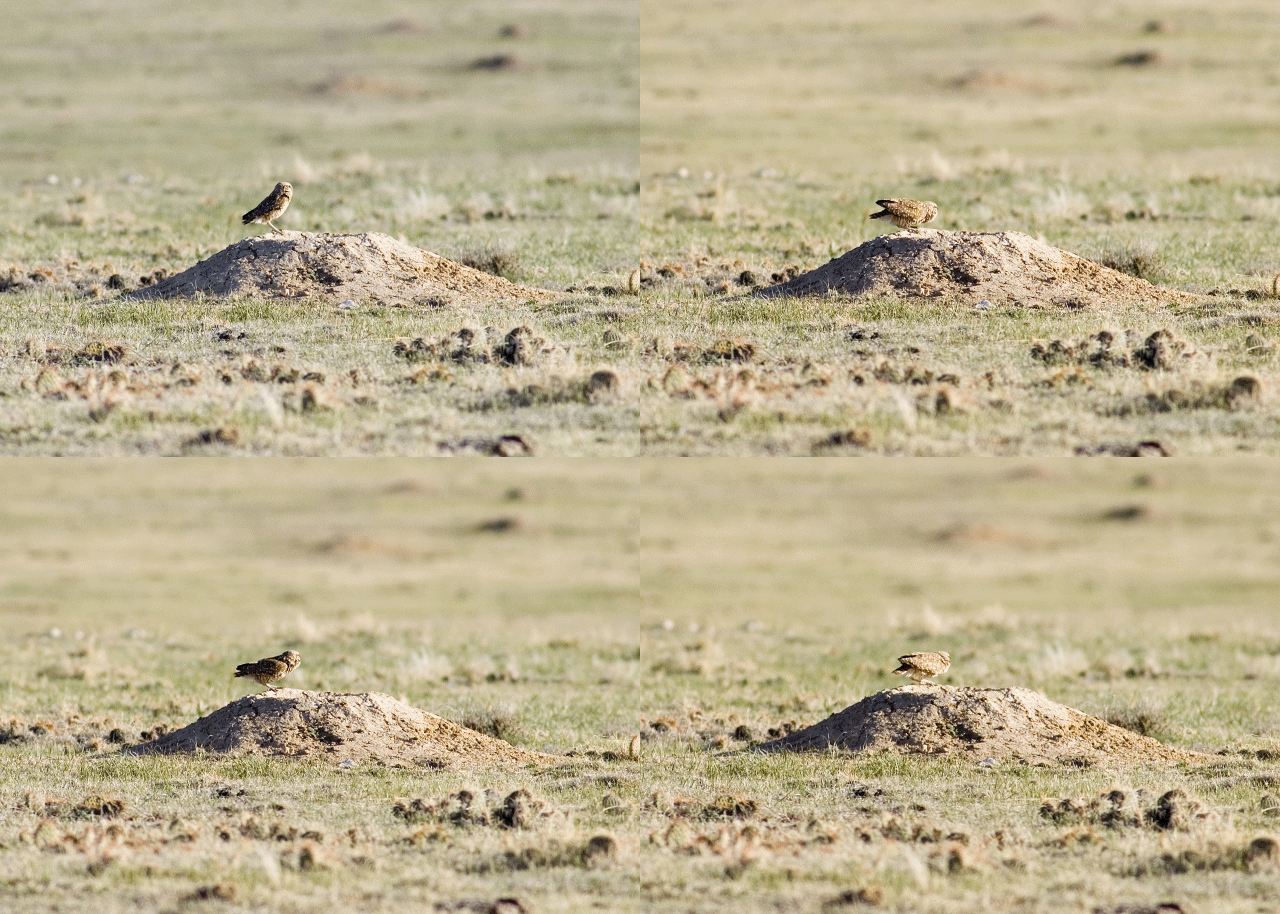
Countless creatures take advantage of the habitat around dog towns. One of my absolute favorites has to be Burrowing Owl:
Here's a close-up shot I took a couple of years ago with my digiscoping setup:
Owls are not the only creatures around prairie dog towns:
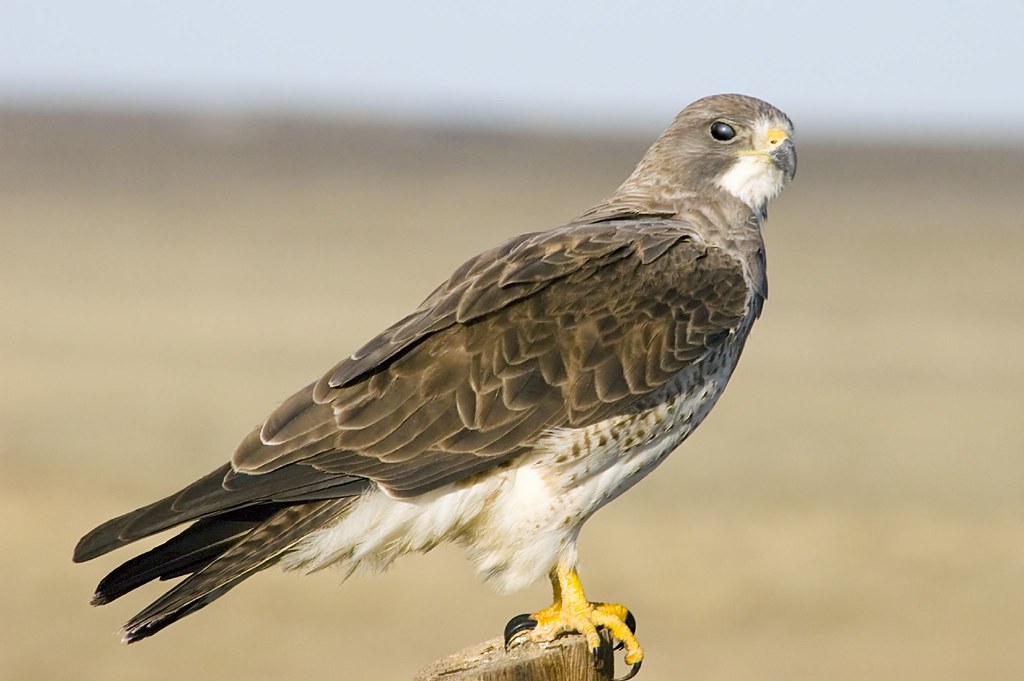
Of course all this protein attracts predators, such as this Swainson's Hawk:
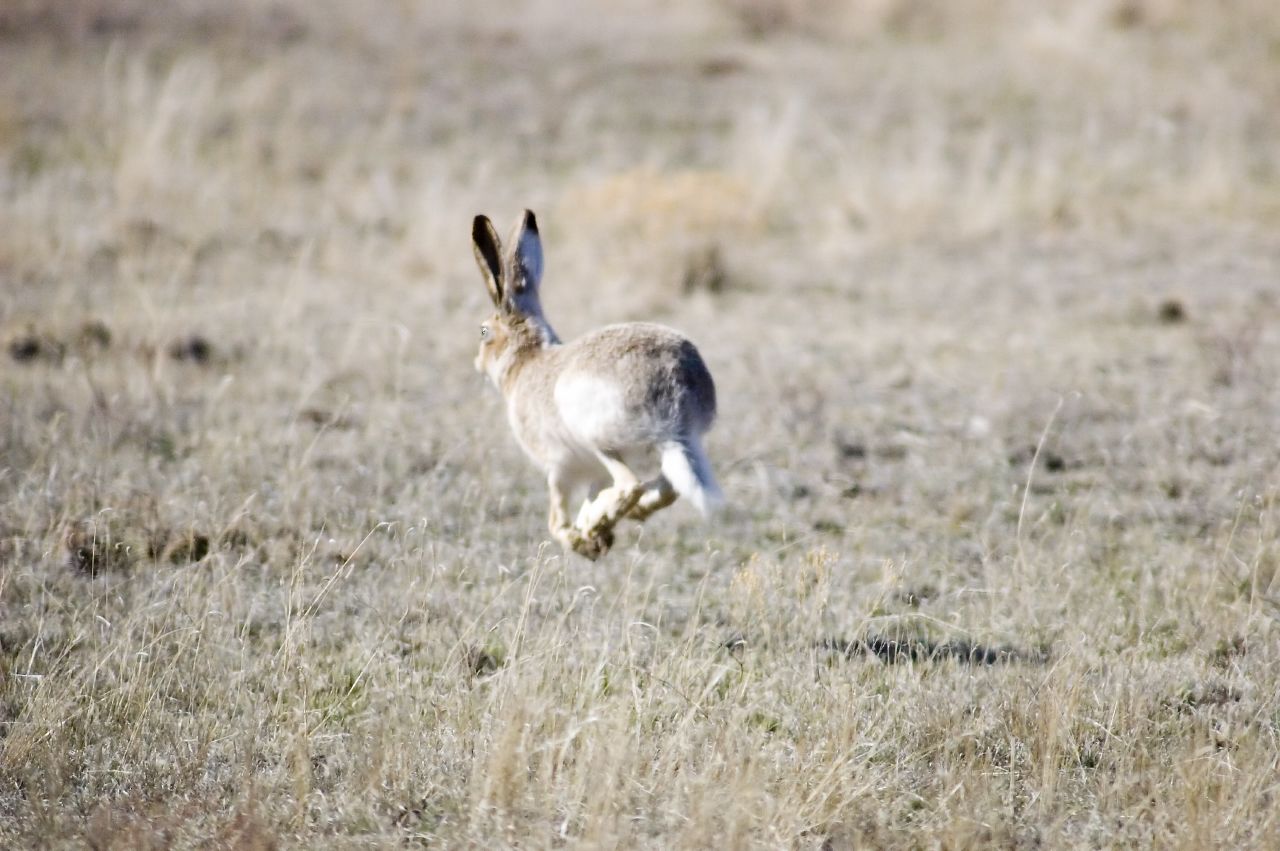
Wun wabbit, wun wike hell!
If you want to see larger sizes of these photos, you can see them on my Flickr Space.


www.flickr.com
|